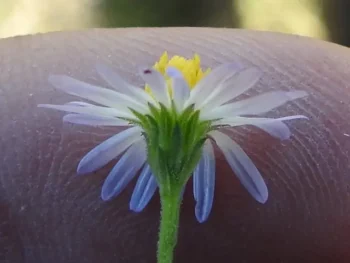
San Patricio Tansyaster: A Rare Texas Wildflower Worth Protecting
Meet the San Patricio tansyaster (Psilactis heterocarpa), a charming little wildflower that’s as rare as it is beautiful. This Texas native might not be the showiest plant in your garden, but it’s got something special going for it – it’s a genuine botanical treasure that deserves our attention and protection.
A True Texas Original
The San Patricio tansyaster is a native Texas annual forb, meaning it completes its entire life cycle in one growing season and lacks the woody stems of shrubs and trees. This delicate wildflower belongs to the sunflower family (Asteraceae) and produces the characteristic daisy-like flowers that make asters so beloved by gardeners and pollinators alike.
Currently, this special plant is found only in Texas, making it a true Lone Star State endemic. Its limited geographic distribution contributes to its rarity and conservation significance.
- Species observed
- No observations
Why This Plant Matters (And Why You Should Care)
Important Conservation Note: San Patricio tansyaster has a Global Conservation Status of S2S3, which indicates it’s quite rare and potentially vulnerable. If you’re interested in growing this plant, it’s crucial to source seeds or plants only from reputable native plant nurseries that practice responsible collection methods. Never collect from wild populations.
Despite its rarity – or perhaps because of it – this little aster has several qualities that make it worth considering for the right garden:
- Supports local ecosystems by providing food for native pollinators
- Helps preserve Texas’s botanical heritage
- Requires minimal care once established
- Perfect for native plant enthusiasts and collectors
- Contributes to biodiversity in naturalized areas
What to Expect in Your Garden
As an annual forb, San Patricio tansyaster will complete its entire life cycle within one growing season. The plant produces small, aster-like flowers that are typically white to pale purple – classic colors that blend beautifully with other native Texas wildflowers.
This isn’t a plant for formal garden beds or high-impact displays. Instead, think of it as a supporting player in native wildflower meadows, prairie restorations, or naturalized areas where it can mingle with other Texas natives and contribute to a authentic local ecosystem.
Growing San Patricio Tansyaster Successfully
While specific growing information for this rare species is limited, we can make educated assumptions based on its native Texas habitat and its classification as a forb:
Ideal Growing Conditions
- Sunlight: Full sun (6+ hours daily)
- Soil: Well-draining soil; likely adaptable to various soil types
- Water: Drought-tolerant once established; moderate water during germination
- Climate: Best suited for USDA hardiness zones 8-9
Planting and Care Tips
Since this is an annual, you’ll need to replant each year or allow it to self-seed:
- Sow seeds in fall for spring germination, mimicking natural cycles
- Scatter seeds in prepared native wildflower areas
- Keep soil lightly moist until germination occurs
- Once established, minimal intervention is best
- Allow plants to go to seed to encourage natural reproduction
Perfect Partners and Garden Styles
San Patricio tansyaster shines in:
- Native Texas wildflower meadows
- Prairie restoration projects
- Wildlife habitat gardens
- Naturalized areas and edges
- Conservation-focused landscapes
Pair it with other Texas natives like bluebonnets, Indian paintbrush, black-eyed Susans, and native grasses for an authentic Texas landscape.
Supporting Pollinators and Wildlife
While specific research on San Patricio tansyaster’s wildlife benefits is limited, asters as a group are excellent pollinator plants. The small flowers likely attract native bees, beneficial wasps, and possibly butterflies. As part of a diverse native plant community, it contributes to the complex web of relationships that support healthy local ecosystems.
The Bottom Line
San Patricio tansyaster isn’t for every gardener or every garden. Its rarity means it should only be grown by those committed to conservation and responsible sourcing. However, for native plant enthusiasts, conservation-minded gardeners, and those working on prairie restorations or wildlife habitat projects, this little Texas treasure offers a chance to participate in preserving our botanical heritage.
Remember: if you choose to grow San Patricio tansyaster, source your seeds or plants responsibly, never collect from wild populations, and consider it an honor to help protect this rare piece of Texas’s natural legacy.