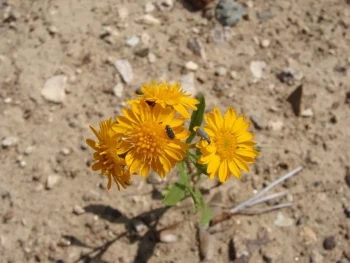
San Pedro Matchweed: A Southwestern Native Worth Discovering
If you’re looking to add authentic southwestern flair to your garden, San Pedro matchweed (Xanthocephalum gymnospermoides) might just be the hidden gem you’ve been searching for. This charming annual wildflower brings a touch of the desert’s natural beauty right to your backyard, though you might need to do a bit of detective work to track down seeds or plants.
What Is San Pedro Matchweed?
San Pedro matchweed is a native annual forb that belongs to the sunflower family. Don’t let the weed in its name fool you – this plant earned its place in the southwestern landscape long before European settlers arrived. As an annual, it completes its entire life cycle in one growing season, making it a perfect choice for gardeners who enjoy seasonal changes in their landscape.
You might also encounter this plant listed under its botanical synonyms, including Grindelia gymnospermoides or Gutierrezia gymnospermoides, so don’t be surprised if you see different names referring to the same plant.
Where Does It Call Home?
This native beauty has a rather exclusive zip code – you’ll find it naturally occurring only in Arizona and Texas. Its limited native range makes it a special addition to gardens in these states, where it can truly thrive in conditions that mirror its natural habitat.
- Species observed
- No observations
Why Consider San Pedro Matchweed for Your Garden?
There are several compelling reasons to give this native annual a spot in your landscape:
- True native status: Supporting local ecosystems by growing plants that naturally belong in your area
- Low maintenance: Once established, this desert native typically requires minimal care
- Adaptable nature: With a facultative wetland status, it can handle both drier and slightly moister conditions
- Annual excitement: Each year brings the opportunity to see how it establishes and spreads naturally
- Authentic southwestern character: Perfect for creating genuine desert or prairie-style gardens
Garden Design and Landscape Role
San Pedro matchweed shines brightest in wildflower meadows, naturalized areas, and authentic desert landscapes. It’s particularly well-suited for:
- Xeric or drought-tolerant garden designs
- Native plant restoration projects
- Wildflower seed mixes for southwestern regions
- Educational or demonstration gardens showcasing local flora
As a forb, it provides textural contrast to grasses and adds seasonal interest without the long-term commitment of perennial plantings.
Growing Conditions and Care
Like many desert natives, San Pedro matchweed likely prefers:
- Climate zones: Best suited for USDA zones 8-10, matching its natural Arizona and Texas range
- Soil: Well-draining soils that don’t stay soggy
- Water: Drought-tolerant once established, though it can handle occasional moisture
- Sun exposure: Likely prefers full sun to partial sun conditions
The Reality Check
Here’s where we need to be honest – finding San Pedro matchweed for your garden might be your biggest challenge. This plant isn’t commonly available in mainstream nurseries, and its limited native range means fewer people are familiar with it. You might need to:
- Contact native plant societies in Arizona or Texas
- Look for specialized southwestern native seed companies
- Connect with botanical gardens or universities in the region
- Join native plant swaps or forums
Supporting Pollinators and Wildlife
While specific wildlife benefits for this species aren’t well-documented, most plants in the sunflower family provide nectar and pollen for various small pollinators, including native bees, beneficial wasps, and other insects. By choosing native plants like San Pedro matchweed, you’re supporting the intricate web of relationships that have evolved in your local ecosystem.
Is San Pedro Matchweed Right for You?
This native annual could be perfect if you:
- Garden in Arizona or Texas
- Love the challenge of growing unusual natives
- Want to support local ecosystems
- Enjoy naturalized, low-maintenance garden areas
- Appreciate the seasonal rhythm of annual plants
However, you might want to look elsewhere if you prefer readily available plants, need guaranteed garden center availability, or garden outside the southwestern United States.
San Pedro matchweed represents the kind of specialized native that makes southwestern gardening so unique. While it may require some effort to source, the reward is growing a plant that truly belongs in your landscape – one that has called your region home for thousands of years.