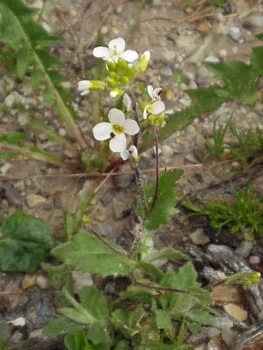
Sand-Dune Rockcress: Alaska’s Hardy Native Ground Cover
If you’re looking for a tough, native ground cover that can handle challenging conditions, sand-dune rockcress (Arabis media) might just be the unsung hero your garden needs. This hardy perennial is one of Alaska’s native treasures, perfectly adapted to some of the most demanding growing conditions on the continent.
What Is Sand-Dune Rockcress?
Sand-dune rockcress is a native Alaskan perennial that belongs to the mustard family. As a forb, it’s an herbaceous plant that lacks woody stems but returns year after year from its root system. Don’t let its delicate-sounding name fool you – this little plant is built to survive in some pretty tough conditions.
You might also see this plant listed under its botanical synonym Arabis arenicola var. pubescens in some older references, but Arabis media is the currently accepted name.
Where Does It Grow Naturally?
This rockcress is exclusively native to Alaska, where it has adapted to the state’s unique climate and growing conditions. Its natural habitat gives us important clues about what this plant needs to thrive in cultivation.
- Species observed
- No observations
Why Consider Sand-Dune Rockcress for Your Garden?
Here are some compelling reasons to give this native plant a try:
- True native status: If you’re gardening in Alaska, this plant is as native as it gets
- Hardy perennial: Once established, it returns year after year
- Low maintenance: Adapted to challenging conditions means less fussing required
- Ecological value: Supporting native plants helps maintain local ecosystems
A Word of Caution About Sourcing
Before you rush out to find sand-dune rockcress, there’s something important to know. This plant has a conservation status that suggests it may be uncommon in the wild. If you do decide to grow it, make absolutely sure you’re sourcing it responsibly from reputable nurseries that propagate their own stock rather than wild-collecting. Never harvest plants from the wild yourself.
Growing Conditions and Care
While specific growing information for Arabis media is limited, we can make educated guesses based on its native habitat and its relatives in the rockcress family:
- Sunlight: Likely prefers full sun to partial shade
- Soil: Probably tolerates poor, sandy, or rocky soils (the sand-dune in its name is a big hint!)
- Water: Likely drought-tolerant once established
- Climate: Obviously cold-hardy, given its Alaskan origins
Garden Design Ideas
Sand-dune rockcress would likely work well in:
- Rock gardens and alpine-style plantings
- Native plant gardens
- Areas with challenging growing conditions
- Naturalized landscapes
- Erosion control on slopes
The Bottom Line
Sand-dune rockcress represents an intriguing opportunity for Alaska gardeners to incorporate a truly local native plant into their landscapes. However, the limited availability and potential conservation concerns mean this isn’t a plant for casual experimentation. If you’re serious about native gardening and can source it responsibly, it could be a unique addition to a specialized garden.
For most gardeners, especially those outside Alaska, other native rockcress species or similar native ground covers might be more practical choices. But if you’re in Alaska and passionate about growing the most local plants possible, sand-dune rockcress could be a fascinating challenge worth pursuing – just remember to source it responsibly!