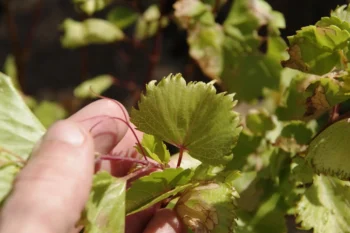
Sand Grape: A Hidden Gem for Native Plant Enthusiasts
If you’re looking to add a native vine to your landscape that’s both beautiful and beneficial to wildlife, let me introduce you to the sand grape (Vitis rupestris). This underappreciated native might just become your new favorite climbing companion for naturalistic gardens and wildlife habitats.
What Makes Sand Grape Special?
Sand grape is a perennial shrub that typically grows as a multi-stemmed woody plant, usually staying under 13-16 feet in height. Don’t let the shrub classification fool you though – this plant has a vine-like growth habit that can climb and sprawl, making it perfect for covering slopes or providing natural screening.
Native to the lower 48 states, sand grape has earned its place in American landscapes for centuries. You’ll find this hardy plant naturally growing across 17 states, from Texas and California in the west to Pennsylvania and Virginia in the east, with a strong presence throughout the southeastern and central regions including Alabama, Arkansas, Illinois, Kentucky, Louisiana, Mississippi, Missouri, and Tennessee.
- Species observed
- No observations
A Word of Caution: Rarity Matters
Before we dive into growing tips, there’s something important you should know. Sand grape has a Global Conservation Status of S3, meaning it’s considered vulnerable throughout its range. This could be due to habitat loss, limited distribution, or other environmental pressures. If you’re interested in adding this native beauty to your garden, please make sure you source it responsibly from reputable native plant nurseries rather than collecting from wild populations.
Why Choose Sand Grape for Your Garden?
There are several compelling reasons to consider sand grape for your landscape:
- Native credentials: As a true native, it supports local ecosystems and wildlife
- Aesthetic appeal: Produces small clusters of dark purple grapes and stunning fall foliage in shades of yellow to red
- Wildlife magnet: The flowers attract pollinators like bees and flies, while the grapes provide food for birds
- Erosion control: Perfect for slopes and areas where you need natural stabilization
- Low maintenance: Once established, it’s quite drought tolerant and requires minimal care
Perfect Garden Settings
Sand grape shines in several landscape scenarios:
- Native plant gardens where authenticity matters
- Wildlife gardens designed to support local fauna
- Naturalistic landscapes with a wild, untamed feel
- Slopes and banks where erosion control is needed
- Mixed shrub borders for added texture and seasonal interest
Growing Conditions and Care
One of sand grape’s best qualities is its adaptability. Here’s what you need to know about keeping it happy:
Hardiness: Sand grape thrives in USDA zones 5-9, making it suitable for most temperate regions.
Soil preferences: This plant isn’t picky about soil type, but it does insist on good drainage. It performs well in sandy soils (hence the name!) but adapts to various soil conditions.
Light requirements: Full sun to partial shade works well, though you’ll get the best fruit production and fall color in sunnier spots.
Water needs: While sand grape appreciates regular water when getting established, it becomes quite drought tolerant once its root system develops.
Wetland Compatibility
Sand grape’s relationship with wet conditions varies by region. In most areas, it’s classified as Facultative Upland, meaning it usually prefers non-wetland conditions but can tolerate some moisture. However, in the Atlantic and Gulf Coastal Plain, it’s considered Obligate Upland and almost never occurs in wetlands. This makes it an excellent choice for well-drained sites throughout most of its range.
Planting and Maintenance Tips
Getting started with sand grape is refreshingly straightforward:
- Planting time: Spring or fall are ideal for establishment
- Spacing: Give plants plenty of room to spread – they can cover significant ground over time
- Pruning: If needed, prune during the dormant season to maintain shape or control size
- Spreading: Be aware that sand grape can spread through underground stems, which is great for erosion control but something to consider in formal gardens
- Patience: Like many natives, sand grape may take a season or two to really get going, but it’s worth the wait
The Bottom Line
Sand grape offers native plant enthusiasts a wonderful opportunity to support local ecosystems while adding a unique, low-maintenance element to their landscapes. Its combination of wildlife benefits, attractive seasonal changes, and adaptability makes it a valuable addition to the right garden settings.
Just remember to source your plants responsibly given its vulnerable status, and you’ll be rewarded with a truly authentic piece of American flora that connects your garden to the broader natural world. Whether you’re creating habitat for wildlife, controlling erosion naturally, or simply wanting to grow something with deep roots in the American landscape, sand grape deserves a spot on your native plant wish list.