Sand Hickory: A Hidden Gem for Native Landscaping
If you’re looking to add a truly authentic native tree to your landscape, sand hickory (Carya pallida) might just be the perfect choice. This southeastern native brings both ecological value and subtle beauty to gardens, though it’s not exactly what you’d call a fast track to instant gratification kind of tree.
What Makes Sand Hickory Special?
Sand hickory is a deciduous tree that’s part of the hickory family, known botanically as Carya pallida (with the synonym Hicoria pallida). As its common name suggests, this perennial woody plant has a particular fondness for sandy soils, making it a great option for those challenging garden spots where other trees might struggle.
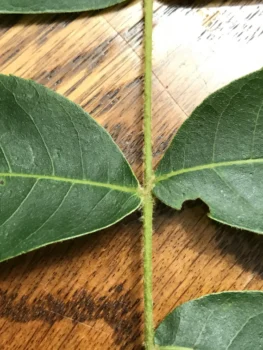
This single-stemmed tree typically grows over 13-16 feet in height, developing into a medium-sized canopy tree that can provide lovely dappled shade. Its compound leaves create an attractive, fine-textured appearance that turns a pleasant yellow in fall, and like other hickories, it produces nuts that wildlife absolutely love.
Where Does Sand Hickory Grow Naturally?
Sand hickory is native to 17 states across the southeastern United States, including Alabama, Arkansas, Delaware, Florida, Georgia, Illinois, Indiana, Kentucky, Louisiana, Maryland, Mississippi, Missouri, New Jersey, North Carolina, South Carolina, Tennessee, and Virginia. You’ll typically find it growing in coastal plains and sandy upland areas.
- Species observed
- No observations
Important Rarity Considerations
Here’s something crucial to know: sand hickory has a rarity status of S1 in Arkansas, meaning it’s critically imperiled in that state. If you’re interested in adding this tree to your landscape, please make sure you source it responsibly from reputable native plant nurseries that propagate their own stock rather than collecting from wild populations.
Is Sand Hickory Right for Your Garden?
Sand hickory works beautifully in several garden settings:
- Native plant gardens where you want authentic regional species
- Woodland gardens that mimic natural forest edges
- Naturalized landscapes where you’re recreating native ecosystems
- Wildlife gardens focused on supporting local fauna
This tree thrives in USDA hardiness zones 6-9, so it can handle a good range of temperatures. It’s particularly valuable if you have sandy, well-drained soils that challenge other trees, as sand hickory has evolved specifically for these conditions.
Growing Conditions and Care
Sand hickory is refreshingly low-maintenance once established, but it does have some specific preferences:
- Soil: Well-drained sandy soils (it’s in the name!)
- Light: Full sun to partial shade
- Water: Drought tolerant once established, though regular water helps during establishment
- Space: Give it room to develop its natural form
Planting and Care Tips
Here’s where sand hickory shows its particular personality: it’s best grown from seed planted directly where you want the tree to grow. Like many hickories, it develops a substantial taproot that doesn’t appreciate being disturbed, so transplanting can be tricky.
Be patient with this tree – hickories are famously slow growers, but they’re also famously long-lived. Think of it as a gift to future generations rather than instant landscaping gratification. Once established, sand hickory requires minimal care and develops into a sturdy, reliable presence in your landscape.
Wildlife and Ecological Benefits
While sand hickory is wind-pollinated (so it won’t be buzzing with bees like some flowering trees), it provides significant wildlife value through its nuts. Squirrels, chipmunks, and various bird species rely on hickory nuts as an important food source, especially heading into winter.
The tree also serves as a host plant for various moth and butterfly caterpillars and provides nesting sites and shelter for birds and other small wildlife.
The Bottom Line
Sand hickory is an excellent choice for gardeners who want to support native ecosystems and don’t mind playing the long game. It’s particularly perfect if you have sandy soils that challenge other trees, and it brings authentic regional character to southeastern landscapes. Just remember to source responsibly and be patient – good things (and good trees) take time to develop.