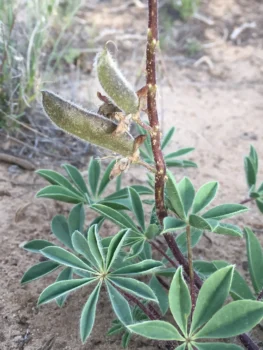
Sand Lupine: A Hidden Gem for Southwestern Native Gardens
If you’re looking to add a splash of purple to your native garden while supporting local ecosystems, sand lupine might just be your new best friend. This charming wildflower brings both beauty and ecological benefits to the right garden setting, though it does come with a few special considerations worth knowing about.
What is Sand Lupine?
Sand lupine (Lupinus ammophilus) is a native perennial forb that calls the American Southwest home. As a member of the legume family, this herbaceous plant lacks woody stems but makes up for it with stunning flower displays and impressive ecological contributions. Like other lupines, sand lupine is a nitrogen-fixer, meaning it actually improves soil fertility by converting atmospheric nitrogen into forms other plants can use.
Where Does It Grow Naturally?
True to its name, sand lupine thrives in the sandy soils of four southwestern states: Arizona, Colorado, New Mexico, and Utah. This native distribution makes it perfectly adapted to the unique growing conditions of the high desert and mountainous regions of the Southwest.
- Species observed
- No observations
Why Consider Sand Lupine for Your Garden?
There are several compelling reasons to include sand lupine in your native plant palette:
- Stunning blooms: Purple-blue flower spikes create vertical interest and seasonal color
- Pollinator magnet: Bees, butterflies, and other beneficial insects love lupine flowers
- Soil improvement: Its nitrogen-fixing ability benefits neighboring plants
- Drought tolerance: Once established, it thrives with minimal water
- Native ecosystem support: Provides food and habitat for local wildlife
A Word About Conservation
Before you rush out to find sand lupine, there’s something important to know: this species has a conservation status of S3S4, indicating it may be somewhat uncommon in parts of its range. While this doesn’t mean you shouldn’t grow it, it does mean you should be thoughtful about sourcing. Always purchase from reputable native plant nurseries that propagate their own stock rather than wild-collecting.
Perfect Garden Settings
Sand lupine shines in several garden styles:
- Xeriscapes: Its drought tolerance makes it ideal for water-wise landscaping
- Native plant gardens: A natural choice for authentic southwestern plantings
- Wildflower meadows: Adds height and structure to naturalistic designs
- Erosion control: Helps stabilize sandy slopes and disturbed areas
Growing Conditions and Care
Sand lupine is refreshingly low-maintenance once you understand its preferences:
Soil: Well-draining, sandy soil is essential. Heavy clay or constantly moist conditions will likely spell trouble for this desert native.
Sun: Full sun is best, though it can tolerate some light shade.
Water: Drought-tolerant once established, but benefits from occasional deep watering during extreme dry spells.
Climate: Suitable for USDA hardiness zones 4-8, based on its native range spanning from high desert to montane regions.
Planting and Establishment Tips
Getting sand lupine established requires a bit of patience and the right approach:
- Direct seeding often works better than transplants, as lupines can be sensitive to root disturbance
- If starting from seed, scarification (lightly scratching the seed coat) can improve germination
- Plant in fall or early spring when natural moisture is more available
- Be patient – lupines can be slow to establish but are long-lived once settled
- Avoid fertilizing, especially with nitrogen, as this can actually harm legumes
Potential Challenges
While sand lupine is generally easy-going, there are a few things to keep in mind:
- It may not thrive in areas with heavy, clay soil or poor drainage
- Establishment can be slow, requiring patience from eager gardeners
- Availability may be limited due to its specialized habitat requirements
The Bottom Line
Sand lupine is a wonderful choice for southwestern native plant enthusiasts who can provide the right growing conditions. Its combination of beautiful flowers, ecological benefits, and drought tolerance make it a valuable addition to the native plant palette. Just remember to source responsibly and be patient with establishment. Once settled in, sand lupine will reward you with years of purple blooms and the satisfaction of supporting native biodiversity in your own backyard.