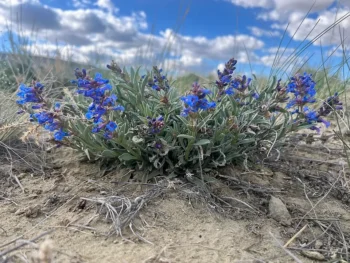
Sand Penstemon: A Rocky Mountain Native Worth Growing Responsibly
If you’re looking to add some true Rocky Mountain charm to your garden, sand penstemon might just be the hidden gem you’ve been searching for. This hardy little perennial brings authentic Western beauty to landscapes while supporting local pollinators—but there are a few important things to know before you plant.
Meet the Sand Penstemon
Sand penstemon (Penstemon arenicola) is a native perennial forb that calls the American West home. As its name suggests, this plant has adapted to thrive in sandy, well-draining soils that would challenge many garden favorites. It’s a true herbaceous perennial, meaning it dies back to the ground each winter and returns fresh each spring, without developing woody stems like shrubs or trees.
Where Does It Naturally Grow?
This Rocky Mountain native has a fairly limited natural range, growing wild in Colorado, Montana, Utah, and Wyoming. You’ll typically find it in sandy soils and rocky areas where its specialized adaptations help it thrive in conditions that would stress out less hardy plants.
- Species observed
- No observations
Important Conservation Note
Before we dive into why you might want to grow sand penstemon, there’s something important to mention: this plant has a conservation status that suggests it may face some challenges in the wild. If you decide to add it to your garden, make sure you source it from reputable nurseries that propagate their plants responsibly rather than collecting from wild populations.
Why Consider Sand Penstemon for Your Garden?
Despite its conservation status—or perhaps because of it—sand penstemon offers several compelling reasons to include it in the right garden setting:
- Authentic native beauty: Those lovely tubular flowers in shades of blue to purple provide genuine regional character
- Pollinator magnet: Bees, butterflies, and hummingbirds are drawn to its nectar-rich blooms
- Drought tolerance: Once established, it needs minimal supplemental watering
- Low maintenance: Perfect for gardeners who prefer plants that thrive with benign neglect
- Conservation impact: Growing native plants helps support local ecosystems
Perfect Garden Settings
Sand penstemon isn’t meant for every garden, but it absolutely shines in the right conditions. Consider it for:
- Rock gardens: Its natural habitat makes it perfect among stones and gravel
- Xeriscaping projects: Ideal for water-wise landscaping
- Native plant gardens: Essential for authentic Rocky Mountain plant communities
- Pollinator gardens: Especially valuable in areas where native pollinators need support
Growing Conditions and Hardiness
Success with sand penstemon comes down to mimicking its natural environment. This plant thrives in USDA hardiness zones 4-8, making it suitable for much of the northern United States.
The most critical requirement is excellent drainage. Think sandy, gravelly, or rocky soil that water moves through quickly. Heavy clay soils or areas that stay moist will likely spell doom for this desert-adapted beauty.
Full sun exposure brings out the best flowering, though it can tolerate some light shade. Once established, it’s remarkably drought-tolerant and actually performs better with less water than more—a refreshing change from thirsty garden plants!
Planting and Care Tips
Getting sand penstemon established successfully requires attention to a few key details:
- Soil preparation: Amend heavy soils with sand, gravel, or pumice to improve drainage
- Planting time: Spring planting gives the best establishment before winter
- Watering: Water regularly the first season, then reduce to occasional deep watering
- Deadheading: Remove spent flowers to encourage continued blooming
- Winter care: Cut back dead stems in late fall or early spring
The Bottom Line
Sand penstemon offers gardeners in the Rocky Mountain region and similar climates a chance to grow something truly special—a plant that’s both beautiful and ecologically valuable. Just remember to source it responsibly and provide the well-draining conditions it needs to thrive. When grown successfully, this little native will reward you with charming flowers, happy pollinators, and the satisfaction of supporting regional biodiversity right in your own backyard.