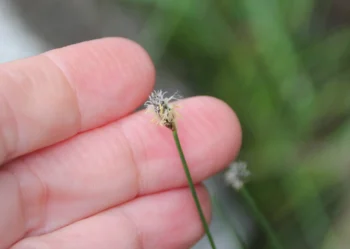
Sand Spikerush: A Delicate Native for Wet Gardens
If you’re looking to add authentic native charm to your rain garden or pond edge, sand spikerush might just be the unassuming hero your landscape needs. This delicate grass-like perennial brings subtle beauty and important ecological benefits to wet areas where many other plants struggle to thrive.
What is Sand Spikerush?
Sand spikerush (Eleocharis montevidensis) is a native perennial sedge that belongs to the grass-like plant family. Don’t let its modest appearance fool you – this little powerhouse plays a big role in natural wetland ecosystems across the southern and western United States. You might also find it listed under its former scientific names, Eleocharis arenicola or Eleocharis palmeri, in older gardening references.
Where Does It Grow Naturally?
This resilient native calls home to a impressive range across the lower 48 states, thriving in Alabama, Arizona, California, Colorado, Florida, Georgia, Kansas, Louisiana, Mississippi, New Mexico, North Carolina, Oklahoma, South Carolina, and Texas. It’s particularly fond of sandy soils near water sources, living up to its common name.
- Species observed
- No observations
Why Consider Sand Spikerush for Your Garden?
Sand spikerush earns its place in native plant gardens for several compelling reasons:
- Authentic native beauty: Its thin, cylindrical stems and delicate brown flower spikes add texture without overwhelming other plants
- Wetland specialist: Thrives in consistently moist to wet conditions where other plants might rot
- Low maintenance: Once established, it requires minimal care and spreads naturally
- Wildlife friendly: Provides habitat for beneficial insects and produces seeds that attract birds
- Erosion control: Helps stabilize soil along pond edges and in rain gardens
Important Considerations
Before you rush to plant sand spikerush, there’s something important to know: this species has a rarity status of S1 in Arkansas, meaning it’s critically imperiled in that state. If you’re gardening in Arkansas or want to be extra responsible, make sure any plants you purchase come from reputable native plant nurseries that use ethically sourced, locally appropriate genetics.
Perfect Garden Spots
Sand spikerush shines in specific garden settings:
- Rain gardens and bioswales
- Pond and stream margins
- Bog gardens
- Native wetland plantings
- Areas with consistently moist soil
Growing Conditions and Care
This wetland native has some specific needs, but they’re not difficult to meet:
Sunlight: Full sun to partial shade
Soil: Consistently moist to wet, tolerates sandy conditions well
Hardiness: USDA zones 7-10
Wetland status: Facultative wetland plant – usually found in wetlands but can adapt to non-wetland conditions
Planting and Maintenance Tips
Getting sand spikerush established is straightforward if you meet its moisture requirements:
- Plant in spring when soil temperatures warm up
- Choose locations that stay consistently moist or can be irrigated regularly
- Space plants 6-12 inches apart for natural spreading
- Mulch lightly to retain moisture
- Divide clumps every 3-4 years if they become overcrowded
- No fertilization needed – it thrives in natural conditions
The Bottom Line
Sand spikerush may not win any flashy flower contests, but it’s exactly the kind of quiet, hardworking native that makes wetland gardens successful. If you have a rain garden, pond edge, or consistently moist area that needs a delicate touch, this little sedge could be perfect. Just remember to source it responsibly, especially if you’re gardening in areas where it’s rare. Your local birds, beneficial insects, and the broader ecosystem will thank you for choosing this authentic native over non-native alternatives.