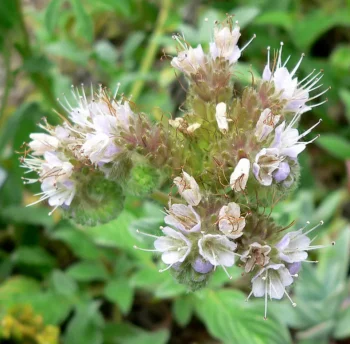
Sanddune Phacelia: A Rare Coastal Treasure Worth Protecting
Meet the sanddune phacelia (Phacelia argentea), one of nature’s most elusive gems hiding along the Pacific coast. This isn’t your typical garden center find – it’s a botanical treasure that’s become increasingly rare in the wild, making it both fascinating and concerning for native plant enthusiasts.
What Makes Sanddune Phacelia Special?
Sanddune phacelia is a perennial forb, meaning it’s an herbaceous flowering plant that comes back year after year without developing woody stems. As its common name suggests, this plant has adapted to life in sandy coastal environments, though you’d be lucky to spot one in the wild these days.
This native beauty calls the coastal regions of California and Oregon home, where it has evolved to thrive in the unique conditions found in sandy dune ecosystems.
- Species observed
- No observations
The Reality Check: This Plant is Imperiled
Here’s where things get serious. Sanddune phacelia carries a Global Conservation Status of S2, which means it’s imperiled in the wild. With typically only 6 to 20 known occurrences and possibly just 1,000 to 3,000 individual plants remaining, this species is walking a tightrope toward extinction.
What does this mean for gardeners? While growing this plant could theoretically help conservation efforts, it comes with a big responsibility.
Should You Grow Sanddune Phacelia?
The short answer: Only if you can source it responsibly and understand the commitment involved.
If you’re considering adding this rare beauty to your garden, here are the crucial points:
- Source responsibly: Never collect from wild populations. Only obtain plants or seeds from reputable native plant nurseries or conservation programs
- Understand the commitment: You’d be growing a species that desperately needs protection
- Consider alternatives: Other Phacelia species that are more common might satisfy your native plant goals without the conservation concerns
Growing Conditions (Best Educated Guesses)
Since detailed cultivation information is scarce for this rare species, we can make some educated assumptions based on its natural habitat:
- Soil: Well-draining, sandy soil that mimics coastal dune conditions
- Sun exposure: Likely full sun, as most dune plants are adapted to bright, open conditions
- Water needs: Probably drought-tolerant once established, but may need some supplemental water
- Climate: Cool, coastal Mediterranean climate of California and Oregon
The Bigger Picture
While the idea of growing sanddune phacelia in your garden is intriguing, this plant serves as a reminder of how fragile our native ecosystems can be. Its rarity tells a story of habitat loss and environmental change that affects many coastal species.
If you’re passionate about supporting native plants and pollinators, consider these alternatives that can provide similar benefits without the conservation concerns:
- Other Phacelia species like bee’s friend (Phacelia tanacetifolia)
- Native coastal wildflowers that are more readily available
- Supporting conservation organizations working to protect rare plants like sanddune phacelia
The Bottom Line
Sanddune phacelia represents both the beauty and vulnerability of our native plant communities. While it might not be the right choice for most home gardens due to its rarity and specialized needs, learning about it helps us appreciate the incredible diversity of plants that call our coastlines home.
If you do decide to grow this species, remember that you’re not just adding a plant to your garden – you’re becoming a steward of a species that desperately needs our help to survive.