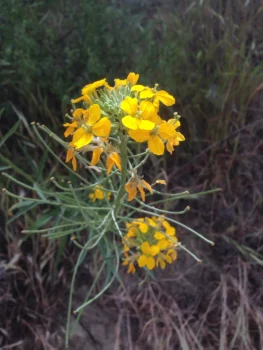
Sanddune Wallflower: A Cheerful Native Wildflower for Your Garden
If you’re looking for a bright, cheerful addition to your native plant garden, the sanddune wallflower might just be the perfect candidate. This delightful member of the mustard family brings sunny yellow blooms and hardy resilience to landscapes across much of North America. But before you rush to plant it everywhere, there are a few important things every responsible gardener should know.
Meet the Sanddune Wallflower
Scientifically known as Erysimum capitatum var. capitatum, the sanddune wallflower is a native forb that’s been brightening up the American landscape long before European settlers arrived. This isn’t your typical garden flower – it’s a true native with deep roots in the ecosystem and a personality all its own.
Where Does It Call Home?
The sanddune wallflower has an impressively wide native range, spanning from Alaska all the way down to states like Arkansas, Texas, and California. You’ll find it naturally occurring in Alaska, Arizona, Arkansas, California, Colorado, Idaho, Illinois, Indiana, Iowa, Kansas, Maryland, Michigan, Missouri, Montana, Nevada, New Mexico, Ohio, Oklahoma, Oregon, Tennessee, Texas, Utah, Virginia, Washington, West Virginia, Wisconsin, and Wyoming.
- Species observed
- No observations
Important Note About Rarity: While this plant has a broad range, it’s considered rare in some areas. In Arkansas, for example, it has an S2 rarity status, meaning it’s imperiled in that state. If you live in an area where sanddune wallflower is rare, please only plant specimens from responsible, ethical sources – never collect from wild populations.
What Makes It Garden-Worthy?
The sanddune wallflower brings several appealing qualities to your landscape:
- Bright yellow flowers that are quite conspicuous during the blooming period
- Manageable size – reaches about 2.5 feet tall at maturity
- Rapid growth rate once established
- Fine-textured green foliage that complements other native plants
- Spring and summer active growth when you want the most garden action
The Perfect Garden Fit
This wallflower works beautifully in:
- Native plant gardens
- Wildflower meadows
- Xeriscapes and drought-tolerant landscapes
- Prairie restorations
- Natural-style borders
With its erect, single-crown growth form and conspicuous mid-spring blooms, sanddune wallflower serves as an excellent mid-height accent plant that won’t overwhelm smaller companions.
Growing Conditions That Make It Happy
One of the best things about sanddune wallflower is that it’s not particularly fussy, but it does have some preferences:
Soil: Thrives in coarse to medium-textured soils but struggles in heavy clay. It prefers well-draining conditions and can handle pH levels from 6.0 to 8.5.
Water: Medium drought tolerance means it can handle dry spells once established, but benefits from occasional watering during extended dry periods. Annual precipitation needs range from 12-30 inches.
Sun: This plant is shade intolerant, so give it full sun for best performance.
Temperature: Quite cold hardy, tolerating temperatures down to -28°F. Needs at least 120 frost-free days to complete its growth cycle.
Planting and Care Tips
Propagation: Sanddune wallflower is primarily grown from seed, with about 373,000 seeds per pound. Seeds have medium abundance and moderate spread rate.
When to Plant: Since it blooms in mid-spring, plant seeds in fall or early spring for best results.
Care: This low-maintenance native requires minimal fertility – in fact, it prefers low-fertility soils. Once established, it has a relatively short lifespan but may self-seed under the right conditions.
What to Expect: Your sanddune wallflower will grow rapidly in spring, produce those cheerful yellow flowers in mid-spring, and set brown seeds during the summer months. The plant typically lives as either a biennial or short-lived perennial.
A Word of Caution About Sourcing
While sanddune wallflower isn’t listed as invasive or noxious, its rarity status in some states means responsible sourcing is crucial. Always purchase from reputable native plant nurseries that can guarantee their stock wasn’t collected from wild populations. This protects natural ecosystems while still allowing you to enjoy this beautiful native in your garden.
The Bottom Line
Sanddune wallflower offers native plant gardeners a lovely, low-maintenance option for adding spring color to sunny, well-draining sites. Its wide native range means it’s likely adapted to your local conditions, and its cheerful yellow blooms provide a bright spot in any native landscape. Just remember to source responsibly and give it the full sun and good drainage it craves.
Whether you’re creating a prairie garden, establishing a native border, or simply want to support local ecosystems with appropriate native plants, the sanddune wallflower deserves a spot on your consideration list – as long as you can source it ethically.