Sandhill St. Johnswort: A Rare Native Gem for Southeast Gardens
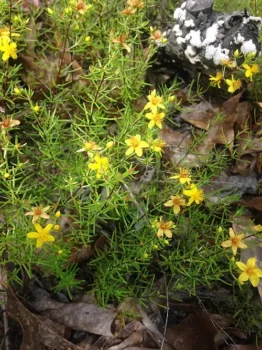
Meet sandhill St. Johnswort (Hypericum lloydii), a charming little native shrub that’s as rare as it is beautiful. This petite perennial brings sunny yellow blooms to Southeast gardens while supporting local ecosystems – though finding it might take some detective work!
What Makes Sandhill St. Johnswort Special?
This delightful native shrub stays refreshingly compact, typically growing under 1.5 feet tall and never exceeding 3 feet at maturity. Its cheerful yellow flowers bloom in summer, creating bright spots of color that pollinators absolutely love. The small, simple leaves give it a neat, tidy appearance that works well in naturalized settings.
Where Does It Call Home?
Sandhill St. Johnswort is a true southeastern native, naturally occurring in Alabama, Georgia, North Carolina, South Carolina, and Virginia. As its common name suggests, this plant thrives in the sandy soil conditions typical of sandhill habitats throughout the region.
- Species observed
- No observations
Important Conservation Note
Here’s where things get serious – sandhill St. Johnswort is quite rare in nature. In Alabama, it holds an S1 rarity status, meaning it’s critically imperiled with very few known populations. If you’re interested in growing this special plant, please only obtain it from reputable native plant nurseries that propagate from ethically sourced material. Never collect from wild populations!
Why Gardeners Love (and Should Grow) This Plant
Despite its rarity in the wild, there are compelling reasons to consider sandhill St. Johnswort for your garden:
- Supports native pollinators with summer nectar
- Stays naturally compact – no aggressive spreading
- Drought tolerant once established
- Perfect for native plant gardens and naturalized areas
- Helps preserve a rare species through cultivation
Growing Conditions and Care
This sandhill native has some specific preferences that mirror its natural habitat:
- Soil: Well-drained sandy soils are essential
- Light: Full sun to partial shade
- Water: Drought tolerant; avoid overwatering
- Climate: Hardy in USDA zones 7-9
Perfect Garden Roles
Sandhill St. Johnswort shines in several garden settings:
- Native plant gardens focused on southeastern species
- Rock gardens with sandy, well-drained soil
- Naturalized areas mimicking sandhill habitats
- Conservation plantings supporting rare species
- Low-maintenance groundcover in appropriate conditions
Planting and Care Tips
Once you’ve sourced your plant responsibly, growing sandhill St. Johnswort is relatively straightforward:
- Plant in spring after frost danger passes
- Ensure excellent drainage – soggy soil is this plant’s enemy
- Water regularly the first year to establish roots
- Once established, it’s quite drought tolerant
- Minimal pruning needed due to its naturally compact habit
- No fertilizer necessary in most soils
Supporting Pollinators and Wildlife
Those sunny yellow flowers aren’t just pretty – they’re pollinator magnets! Bees and other beneficial insects visit the blooms for nectar, making this plant a valuable addition to pollinator-friendly gardens. By growing rare native species like sandhill St. Johnswort, you’re creating habitat that supports local ecosystems.
The Bottom Line
Sandhill St. Johnswort offers gardeners a chance to grow something truly special – a rare native plant that’s both beautiful and ecologically valuable. While it requires specific growing conditions and responsible sourcing, the reward is a charming shrub that connects your garden to the unique sandhill ecosystems of the Southeast. Just remember: only grow plants from reputable, conservation-minded sources, and you’ll be helping preserve this botanical treasure for future generations.