Sandhills Milkvetch: A Rare Southeastern Native Worth Protecting
If you’re passionate about native plants and conservation gardening, you might want to learn about sandhills milkvetch (Astragalus michauxii), a charming but vulnerable perennial that calls the southeastern United States home. This lesser-known member of the legume family deserves attention not just for its delicate beauty, but for its important role in regional ecosystems.
What Makes Sandhills Milkvetch Special?
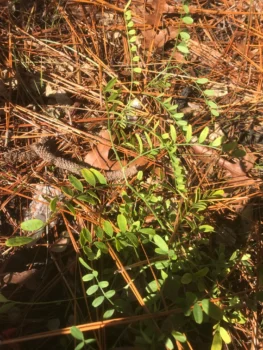
Sandhills milkvetch is a perennial native plant that produces lovely purple to pink pea-like flowers in spring. The plant features compound leaves with small, delicate leaflets that give it a fine-textured appearance. As a member of the legume family, it has the special ability to fix nitrogen in the soil through its root system, making it an ecological multitasker.
You might occasionally see this plant listed under its synonym Tium michauxii, but Astragalus michauxii is the accepted botanical name today.
Where Does It Naturally Grow?
This southeastern native has a relatively limited range, naturally occurring in Alabama, Florida, Georgia, North Carolina, and South Carolina. True to its common name, sandhills milkvetch thrives in the sandy soils of coastal plains and sandhills regions throughout these states.
- Species observed
- No observations
Important Conservation Considerations
Here’s something crucial every gardener should know: sandhills milkvetch has a Global Conservation Status of S3, meaning it’s considered vulnerable. With typically only 21 to 100 occurrences and between 3,000 and 10,000 individuals remaining, this plant is quite rare throughout its range.
If you’re interested in growing this species, please only use responsibly sourced material from reputable native plant nurseries. Never collect plants or seeds from wild populations, as this could further threaten already vulnerable populations.
Garden Appeal and Landscape Role
While sandhills milkvetch may not be the showiest plant in your garden, it offers subtle charm and important ecological benefits:
- Delicate spring flowers that attract native bees and other small pollinators
- Fine-textured foliage that provides interesting contrast to broader-leaved plants
- Low-growing habit perfect for ground cover in appropriate settings
- Nitrogen-fixing abilities that benefit surrounding plants
Best Garden Settings
Sandhills milkvetch works best in specialized garden settings rather than typical suburban landscapes:
- Native plant gardens focused on southeastern species
- Wildflower meadows with sandy soils
- Conservation plantings and habitat restoration projects
- Rock gardens with excellent drainage
Growing Conditions and Care
If you’re lucky enough to obtain responsibly sourced sandhills milkvetch, here’s what it needs to thrive:
Soil: Sandy, extremely well-draining soil is essential. This plant cannot tolerate heavy clay or waterlogged conditions.
Light: Full sun to partial shade, though it performs best with plenty of sunlight.
Water: Drought tolerant once established. Avoid overwatering, which can be fatal to this species.
Hardiness: Suitable for USDA zones 8-9, matching its native southeastern range.
Planting and Maintenance Tips
Growing sandhills milkvetch successfully requires attention to its specific needs:
- Plant in spring after last frost date
- Ensure excellent drainage by amending heavy soils with sand or growing in raised beds
- Seeds may benefit from scarification to improve germination
- Once established, provide minimal care and avoid fertilizers
- Allow the plant to go dormant naturally in winter
Supporting Pollinators and Wildlife
As a native legume, sandhills milkvetch provides valuable resources for local ecosystems. Its flowers attract native bees and other small pollinators, while its nitrogen-fixing roots improve soil quality for neighboring plants. Though small in stature, it plays an important role in maintaining the biodiversity of southeastern sandhill ecosystems.
The Bottom Line
Sandhills milkvetch isn’t a plant for every garden, but it’s a treasure for dedicated native plant enthusiasts and conservation-minded gardeners. If you have the right growing conditions and can source plants responsibly, growing this vulnerable species can be a meaningful way to support southeastern biodiversity.
Remember, with great plants comes great responsibility – always choose nursery-grown, responsibly sourced specimens and never collect from wild populations. By doing so, you’ll be helping ensure that future generations can appreciate this delicate southeastern native.