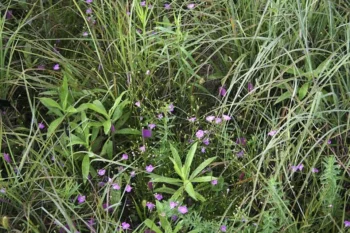
Sandplain False Foxglove: A Rare Native Gem Worth Protecting
Meet the sandplain false foxglove (Agalinis acuta), a delicate annual wildflower that’s as charming as it is rare. This little beauty might not be the showiest plant in the garden, but what it lacks in size, it more than makes up for in conservation value and ecological importance.
What Makes This Plant Special?
The sandplain false foxglove is a native forb – essentially a non-woody flowering plant – that calls the northeastern United States home. You’ll find this petite annual producing small, tubular pink to purple flowers from late summer into fall, creating a subtle but lovely display when many other wildflowers are winding down for the season.
Where Does It Grow Naturally?
This native beauty has a relatively limited natural range, growing wild in Connecticut, Maryland, Massachusetts, New York, and Rhode Island. It’s particularly fond of coastal plain areas and sandy soils, which gives it the sandplain part of its common name.
- Species observed
- No observations
A Conservation Concern
Here’s where things get serious: sandplain false foxglove is critically imperiled with a Global Conservation Status of S1. In plain English, this means there are typically fewer than 1,000 individuals remaining in the wild, with only five or fewer known populations. It’s even listed as endangered in the United States.
If you’re thinking about adding this plant to your garden, that’s actually wonderful – but please, please make sure you source it responsibly. Never collect from wild populations, and only purchase from reputable native plant nurseries that propagate their own stock.
Growing Sandplain False Foxglove
Despite its rarity in the wild, sandplain false foxglove can be grown successfully in the right conditions. Here’s what you need to know:
Ideal Growing Conditions
- Full sun exposure
- Sandy, well-draining soils
- Dry to moderately moist conditions
- USDA Hardiness Zones 5-8
Planting and Care Tips
- As an annual, it completes its entire life cycle in one growing season
- Best established through direct seeding in fall
- Minimal care required once established
- May be semi-parasitic on grass roots (this is normal and beneficial!)
- Allow plants to set seed to encourage natural reseeding
Garden Design and Landscape Role
Sandplain false foxglove isn’t your typical garden centerpiece, but it shines in specific settings. Consider it for:
- Native plant gardens focused on regional flora
- Coastal or seaside landscapes
- Sandy soil areas where other plants struggle
- Conservation or restoration projects
- Naturalized meadow gardens
Its delicate appearance makes it perfect for weaving through other native grasses and wildflowers, where it can provide subtle color and texture without overwhelming its companions.
Supporting Pollinators and Wildlife
Though small, sandplain false foxglove punches above its weight when it comes to supporting local ecosystems. Its tubular flowers are particularly attractive to native bees, butterflies, and other small pollinators who appreciate the late-season nectar source when other flowers are becoming scarce.
Should You Grow It?
If you have the right growing conditions – sandy soil, full sun, and live within its native range – absolutely! Growing sandplain false foxglove is a wonderful way to support conservation efforts and provide habitat for native pollinators. Just remember that responsibility comes with this choice.
This rare native deserves our protection and respect. By growing it thoughtfully and sourcing it responsibly, you’re not just adding an interesting plant to your garden – you’re participating in the conservation of a truly special piece of our natural heritage.
Sometimes the smallest flowers make the biggest difference, and sandplain false foxglove is living proof of that truth.