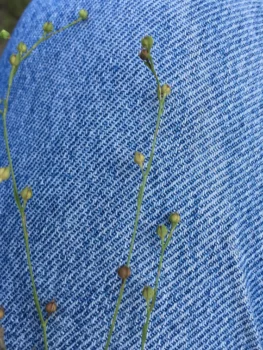
Sandplain Flax: A Delicate Native Beauty Worth Preserving
If you’re looking for a charming native wildflower that brings subtle elegance to your garden while supporting local ecosystems, sandplain flax (Linum intercursum) might be just the plant you’ve been searching for. This delicate perennial forb offers more than meets the eye, though it comes with an important conservation story that every gardener should know.
What Makes Sandplain Flax Special?
Sandplain flax is a graceful native perennial that produces small, enchanting blue to pale blue flowers throughout the summer months. Each flower features five delicate petals that seem to dance on slender stems above narrow, linear leaves. The plant’s overall form is airy and naturalistic, making it perfect for gardeners who appreciate understated beauty over bold, showy displays.
This lovely wildflower is native to the eastern United States, where it naturally occurs from Massachusetts down to Georgia and west to Indiana and Tennessee. You’ll find it growing in Alabama, Connecticut, Delaware, District of Columbia, Georgia, Indiana, Maryland, Massachusetts, New Jersey, New York, North Carolina, Pennsylvania, Rhode Island, South Carolina, Tennessee, and Virginia.
- Species observed
- No observations
A Plant in Need of Our Help
Here’s where the story gets important: sandplain flax is considered endangered in New Jersey, with a rarity status of S1, meaning it’s critically imperiled in that state. This conservation concern makes it all the more valuable to grow in our gardens, but with a crucial caveat – always source your plants or seeds from reputable native plant nurseries that propagate their stock responsibly rather than collecting from wild populations.
Why Grow Sandplain Flax?
Beyond its conservation value, sandplain flax offers several compelling reasons to earn a spot in your garden:
- Pollinator magnet: The small blue flowers attract native bees, butterflies, and other beneficial insects
- Low maintenance: Once established, it’s quite drought tolerant and requires minimal care
- Natural look: Perfect for wildflower gardens and naturalized areas
- Adaptable: Thrives in USDA hardiness zones 4-8
- Native heritage: Supports local ecosystems and wildlife
Where Does It Fit in Your Garden?
Sandplain flax shines in naturalized settings and wildflower gardens. Its delicate texture and subtle color make it an excellent companion plant that won’t overwhelm showier neighbors. Consider using it in:
- Native plant borders and mixed perennial beds
- Wildflower meadows and prairie-style plantings
- Sandy or well-drained garden areas
- Xerophytic gardens designed for water conservation
Growing Conditions and Care
The good news is that sandplain flax isn’t particularly fussy once you understand its preferences. This plant has a wetland status of Facultative Upland, meaning it usually prefers non-wetland conditions but can occasionally tolerate some moisture.
Ideal growing conditions include:
- Soil: Well-drained, sandy soils with acidic to neutral pH
- Sunlight: Full sun to partial shade
- Water: Drought tolerant once established; avoid overly wet conditions
- Climate: Hardy in zones 4-8
Planting and Care Tips
Getting started with sandplain flax is relatively straightforward, especially if you can find seeds from a reputable source:
- Seeding: Direct seed in fall or early spring for best results
- Establishment: Water regularly during the first growing season, then reduce as the plant establishes
- Maintenance: Very low maintenance once established; may self-seed in suitable conditions
- Spacing: Allow adequate space for natural growth and air circulation
A Small Plant with Big Impact
While sandplain flax might not be the boldest plant in your garden, it represents something much larger – our responsibility as gardeners to protect and preserve native species for future generations. By choosing to grow this endangered beauty with responsibly sourced material, you’re not just adding charm to your landscape; you’re participating in conservation efforts that matter.
Remember, the key to growing sandplain flax ethically is sourcing. Always purchase from nurseries that propagate their own plants rather than wild-collect, and consider sharing seeds with other gardeners once your plants are established. Together, we can help ensure that this delicate native treasure continues to grace our landscapes for years to come.