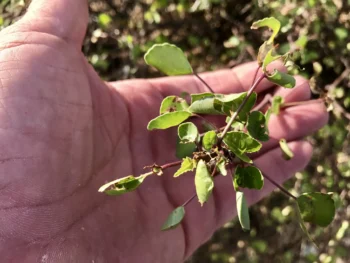
Sangre de Cristo: A Hidden Gem for Desert Gardens
If you’re looking for a unique native plant that adds character to your southwestern landscape, let me introduce you to sangre de cristo (Jatropha cardiophylla). This charming desert shrub might not be a household name, but it deserves a spot in every water-wise garden.
What is Sangre de Cristo?
Sangre de cristo, which translates to blood of Christ in Spanish, is a perennial shrub native to Arizona. This multi-stemmed woody plant typically grows less than 13-16 feet tall, making it perfect for residential landscapes. You might also see it listed under its botanical synonym, Mozinna cardiophylla.
Where Does It Grow Naturally?
This desert beauty calls Arizona home, thriving in the Sonoran Desert region. As a native plant to the lower 48 states, it’s perfectly adapted to the challenging conditions of the American Southwest.
- Species observed
- No observations
Why Consider Planting Sangre de Cristo?
There are several compelling reasons to add this native shrub to your garden:
- Exceptional drought tolerance once established
- Attractive heart-shaped leaves that give it its species name cardiophylla
- Small, eye-catching reddish flowers
- Low maintenance requirements
- Supports native pollinators like bees
- Perfect for xeriscape and desert garden designs
Garden Design and Landscape Role
Sangre de cristo works beautifully as a specimen plant or grouped with other native desert plants. Its moderate size makes it ideal for:
- Accent plantings in desert gardens
- Low-water landscape designs
- Native plant gardens
- Drought-tolerant borders
The silvery-green foliage provides nice contrast against darker desert plants, while the reddish flowers add seasonal color without requiring extra water.
Growing Conditions and Care
This tough little shrub thrives in USDA hardiness zones 9-11. Here’s what it needs to succeed:
- Sunlight: Full sun exposure
- Soil: Well-draining soil is essential
- Water: Very low water requirements once established
- Temperature: Protect from hard frost
Planting and Care Tips
Getting sangre de cristo established in your garden is surprisingly straightforward:
- Plant in fall when temperatures are cooler
- Ensure excellent drainage to prevent root rot
- Water sparingly during the first growing season
- Once established, natural rainfall is usually sufficient
- Minimal pruning required
Important Conservation Note
Sangre de cristo has a conservation status of S3S4, indicating it may face some population pressures in the wild. If you decide to grow this plant, please source it from reputable nurseries that propagate their own plants rather than collecting from wild populations. This helps protect native stands while still allowing you to enjoy this wonderful plant in your garden.
Wildlife and Pollinator Benefits
While specific wildlife benefits aren’t well-documented, the flowers of sangre de cristo do attract pollinators, particularly bees. As a native plant, it’s part of the natural ecosystem and likely provides benefits to local wildlife that we’re still discovering.
The Bottom Line
Sangre de cristo is an excellent choice for gardeners wanting to create sustainable, water-wise landscapes with native plants. Its unique appearance, minimal care requirements, and natural adaptation to desert conditions make it a smart addition to southwestern gardens. Just remember to source your plants responsibly to help protect this species in its native habitat.