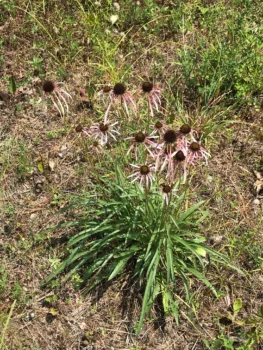
Sanguine Purple Coneflower: A Rare Gem for Your Native Garden
If you’re looking to add a touch of deep, wine-colored elegance to your garden while supporting local wildlife, the sanguine purple coneflower might just be your perfect match. This stunning native wildflower brings both beauty and ecological benefits to the right garden setting, though there are some important considerations before you start planting.
What Makes Sanguine Purple Coneflower Special?
Officially known as Echinacea sanguinea, the sanguine purple coneflower is a true American native that calls the south-central United States home. Unlike its more common purple coneflower cousins, this perennial forb sports distinctively deep reddish-purple to wine-colored petals that gracefully droop around a prominent dark center cone. The rich coloration is what gives this plant its sanguine name – a nod to its blood-red hues.
As a herbaceous perennial, this coneflower lacks woody stems but returns reliably year after year, forming clumps that slowly expand over time. It’s a member of the sunflower family and shares many of the same tough, prairie-plant characteristics that make it surprisingly low-maintenance once established.
Where Does It Come From?
The sanguine purple coneflower is native to just four states: Arkansas, Louisiana, Oklahoma, and Texas. This relatively small native range makes it a true regional specialty – a plant that’s perfectly adapted to the specific growing conditions of the south-central plains and neighboring areas.
- Species observed
- No observations
Important Rarity Consideration
Here’s something crucial to know before you fall head-over-heels for this beauty: sanguine purple coneflower is considered uncommon to moderately rare in parts of its native range, particularly in Arkansas where it holds an S2S3 rarity status. This means that while it’s not critically endangered, it’s not exactly common either.
What does this mean for gardeners? You can absolutely grow this wonderful native plant, but please – and this is important – only purchase from reputable nurseries that sell responsibly propagated plants, not wild-collected specimens. Look for nurseries that specifically state their plants are nursery-propagated or grown from ethically collected seeds.
Why Grow Sanguine Purple Coneflower?
Despite its rarity in the wild, there are compelling reasons to include this plant in your garden:
- True native status: It’s genuinely native to the south-central U.S., making it perfectly suited to local growing conditions
- Pollinator magnet: The flowers attract bees, butterflies, and other beneficial insects throughout the blooming season
- Bird-friendly: Seeds provide food for goldfinches and other seed-eating birds
- Drought tolerance: Once established, it can handle dry conditions like a champ
- Low maintenance: Minimal care required after the first growing season
- Unique beauty: The deep wine-red coloration sets it apart from more common purple coneflowers
Growing Conditions and Care
Sanguine purple coneflower thrives in conditions that mimic its native prairie habitat. Here’s what it needs to flourish:
Sunlight: Full sun is essential – at least 6-8 hours of direct sunlight daily. This plant won’t perform well in shade.
Soil: Well-draining soil is non-negotiable. It actually prefers sandy or rocky soils over rich, heavy clay. If your soil holds water, consider creating a raised bed or adding coarse sand and gravel to improve drainage.
Water: Water regularly during the first growing season to help establish a strong root system. Once established (usually by the second year), it’s quite drought tolerant and rarely needs supplemental watering except during extreme dry spells.
Climate: Hardy in USDA zones 6-9, making it suitable for most of the southern and central United States.
Perfect Garden Settings
This isn’t a plant for formal, manicured gardens. Instead, sanguine purple coneflower shines in:
- Prairie and meadow gardens
- Naturalized wildflower areas
- Xeriscape and drought-tolerant landscapes
- Pollinator gardens
- Native plant collections
- Wildlife habitat gardens
Planting and Care Tips
When to plant: Spring is ideal, after the last frost date in your area. Fall planting can work too, but spring gives the plant more time to establish before winter.
Spacing: Plant individual specimens about 18-24 inches apart to allow for natural spreading.
Fertilization: Skip the fertilizer! Like most prairie natives, this plant actually performs better in lean soils. Rich, fertilized soil can make it grow too lush and prone to flopping.
Maintenance: Deadhead spent flowers if you want continuous blooming, or leave them for the birds if you prefer a more natural approach. Cut back to ground level in late fall or early spring.
The Bottom Line
Sanguine purple coneflower is a gorgeous, ecologically valuable native plant that deserves a place in more gardens – but only when grown responsibly. Its rarity makes it extra special, and by choosing nursery-propagated plants, you’re helping ensure this beautiful wildflower continues to grace our landscapes for generations to come.
If you’re gardening within its native range and can provide the sunny, well-drained conditions it craves, this drought-tolerant beauty will reward you with months of wine-colored blooms and the satisfaction of knowing you’re supporting local pollinators and birds with a truly native plant choice.