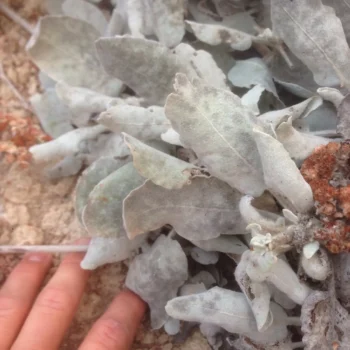
Santa Barbara Island Buckwheat: A Rare Gem for the Dedicated Native Plant Gardener
Meet one of California’s most exclusive native plants – the Santa Barbara Island buckwheat (Eriogonum giganteum var. compactum). This isn’t your everyday garden center find, and that’s exactly what makes it so special for native plant enthusiasts who love growing something truly unique.
What Makes This Plant So Special?
Santa Barbara Island buckwheat is a compact perennial shrub that’s as rare as it is beautiful. This multi-stemmed woody plant typically stays under 13-16 feet tall, though in garden settings it usually remains much more manageable. What sets it apart from its relatives is its dense, compact growth habit – hence the compactum in its scientific name.
This little shrub is endemic to Santa Barbara Island, one of California’s Channel Islands, making it a true California native with a very limited natural range. It’s currently listed with a Global Conservation Status of S2T2, which means it’s considered rare and imperiled in the wild.
- Species observed
- No observations
A Word About Rarity
Important note for conservation-minded gardeners: Because Santa Barbara Island buckwheat is rare in the wild, it’s crucial to only purchase plants from reputable nurseries that propagate their stock rather than collect from wild populations. Never attempt to collect seeds or cuttings from wild plants – this can harm already vulnerable populations.
Garden Appeal and Design Uses
If you can source this plant responsibly, it’s a real showstopper in the right garden setting. The compact, silvery-gray foliage provides year-round interest, while summer brings clusters of small white to pink flowers that create a beautiful contrast against the sage-colored leaves.
This shrub works wonderfully in:
- Rock gardens and Mediterranean-style landscapes
- Coastal gardens (it naturally tolerates salt spray)
- Drought-tolerant and water-wise gardens
- Native plant collections and botanical gardens
- As a specimen plant where its unique character can be appreciated
Pollinator and Wildlife Benefits
Like other buckwheats, Santa Barbara Island buckwheat is a pollinator magnet when in bloom. The small but numerous flowers attract bees, butterflies, and other beneficial insects during the summer flowering season. The dense shrub form also provides nesting sites and shelter for small birds and beneficial insects.
Growing Conditions and Care
This island native is surprisingly adaptable to garden conditions, provided you can meet its basic needs:
Climate: Hardy in USDA zones 9-11, making it suitable for most of coastal and southern California’s milder regions.
Sun and Soil: Thrives in full sun with excellent drainage – this is non-negotiable! Heavy, clay soils or areas that stay wet will likely kill this plant. Sandy or rocky soils are ideal.
Water: Once established, it’s remarkably drought tolerant. Water deeply but infrequently during the first year, then rely mainly on natural rainfall.
Maintenance: Light pruning after flowering helps maintain its compact shape, but don’t go overboard – this plant naturally wants to stay relatively small and tidy.
Planting Tips for Success
- Plant in fall when cooler weather gives roots time to establish before summer heat
- Improve drainage by planting on slopes or in raised beds if your soil is heavy
- Space plants adequately – they may be compact, but they still need air circulation
- Mulch lightly with gravel or decomposed granite rather than organic mulches that retain moisture
Is This Plant Right for Your Garden?
Santa Barbara Island buckwheat is perfect for gardeners who:
- Love rare and unusual native plants
- Have excellent drainage and full sun conditions
- Appreciate subtle, sophisticated beauty over flashy displays
- Want to support conservation through cultivation
- Live in appropriate climate zones (coastal and southern California)
However, skip this plant if you:
- Have heavy clay soil or poor drainage
- Prefer high-water, lush garden styles
- Want immediate impact (this is a slow-growing treasure)
- Can’t commit to sourcing plants responsibly
The Bottom Line
Santa Barbara Island buckwheat represents the best of what native plant gardening can offer – the chance to grow something truly special while supporting conservation efforts. Yes, it requires some hunting to find and specific growing conditions to thrive, but for the dedicated native plant gardener, it’s a worthy addition to any collection. Just remember: always source responsibly, and enjoy being one of the few gardeners growing this Channel Islands treasure!