Santa Barbara Milkvetch: A Charming Native for California Gardens
If you’re looking to add a touch of California’s natural beauty to your garden while supporting local ecosystems, the Santa Barbara milkvetch (Astragalus trichopodus) might just be the perfect addition. This delightful native perennial brings both charm and ecological value to drought-tolerant landscapes.
What Makes Santa Barbara Milkvetch Special?
Santa Barbara milkvetch is a true California native, belonging exclusively to the Golden State’s diverse plant community. This low-growing shrub typically stays under 1.5 feet tall, making it an excellent choice for gardeners who want native beauty without overwhelming their space. With its compact growth habit rarely exceeding 3 feet at maturity, it fits beautifully into smaller gardens and tight spaces.
Where Does It Call Home?
This special plant is endemic to California, with its natural range centered around the coastal regions of Southern California, particularly Santa Barbara County. It’s perfectly adapted to the Mediterranean climate that characterizes much of coastal California.
- Species observed
- No observations
A Word About Conservation
Before we dive into growing tips, it’s important to note that Santa Barbara milkvetch has a conservation status that deserves our attention. If you decide to add this beauty to your garden, please ensure you source your plants from reputable native plant nurseries that propagate their stock responsibly. This helps protect wild populations while still allowing you to enjoy this wonderful native in your landscape.
Garden Appeal and Design Role
Don’t let its modest size fool you – Santa Barbara milkvetch packs a visual punch! The plant produces clusters of small, pea-like flowers in lovely shades of purple to violet, creating a delightful display against its silvery-green compound foliage. This color combination works beautifully in:
- Rock gardens and xeriscapes
- Mediterranean-style landscapes
- Native plant gardens
- Coastal garden designs
- Ground cover applications
Supporting Local Wildlife
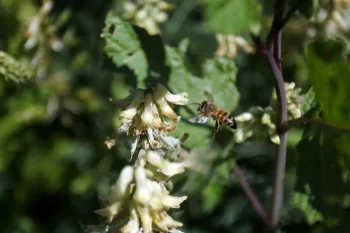
One of the best reasons to choose Santa Barbara milkvetch is its value to local pollinators. The flowers attract native bees and butterflies, helping support the insects that our ecosystems depend on. By choosing native plants like this milkvetch, you’re creating habitat and food sources that have evolved together over thousands of years.
Growing Conditions and Care
The good news for busy gardeners is that Santa Barbara milkvetch is refreshingly low-maintenance once established. Here’s what this California native prefers:
- Sunlight: Full sun for best flowering and compact growth
- Soil: Well-draining soil is absolutely essential – this plant cannot tolerate soggy conditions
- Water: Drought tolerant once established; minimal supplemental watering needed
- Climate: Hardy in USDA zones 9-10, perfect for most of coastal and inland California
Planting and Care Tips
Getting your Santa Barbara milkvetch off to a good start is straightforward:
- Plant in fall or early spring for best establishment
- Ensure excellent drainage – amend heavy clay soils with coarse sand or gravel
- Water regularly during the first year to help establish roots
- Once established, water sparingly – overwatering is more harmful than underwatering
- No fertilizer needed – native plants prefer lean soils
- Minimal pruning required; just remove spent flowers if desired
Is Santa Barbara Milkvetch Right for Your Garden?
This native beauty is perfect for gardeners who want to:
- Support local wildlife and pollinators
- Create water-wise landscapes
- Add authentic California character to their gardens
- Enjoy low-maintenance perennial color
- Participate in conservation efforts
However, it might not be the best choice if you have heavy, poorly-draining soil that you can’t amend, or if you prefer plants that need regular watering.
Remember, when you choose to grow Santa Barbara milkvetch, you’re not just adding a beautiful plant to your garden – you’re helping preserve a piece of California’s natural heritage and supporting the creatures that call it home. Just be sure to source your plants responsibly, and you’ll have a wonderful native addition that will thrive with minimal care while giving back to the local ecosystem.