Santa Barbara Milkvetch: A Rare Gem for California Native Gardens
If you’re looking to add a truly special plant to your California native garden, the Santa Barbara milkvetch (Astragalus trichopodus var. lonchus) might just be the hidden treasure you’ve been seeking. This charming little perennial shrub brings both beauty and conservation value to the right garden setting.
What Makes Santa Barbara Milkvetch Special?
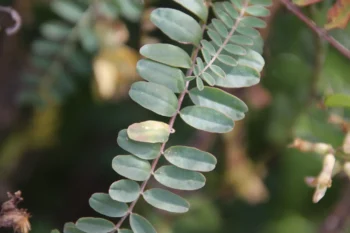
Santa Barbara milkvetch is a low-growing perennial shrub that stays compact and manageable, typically reaching just 1.5 feet tall and rarely exceeding 3 feet at maturity. Its delicate purple to pink pea-like flowers create a lovely display against silvery-green compound leaves, offering a subtle yet appealing aesthetic that perfectly complements other native California plants.
A True California Native
This plant is authentically Californian, native to the lower 48 states with its home range specifically in California’s coastal regions around the Santa Barbara area. It’s perfectly adapted to the Mediterranean climate and growing conditions that define much of coastal California.
- Species observed
- No observations
Important Conservation Considerations
Here’s something every responsible gardener should know: Santa Barbara milkvetch has a Global Conservation Status of S3S4T3?, indicating it has some level of rarity or conservation concern. If you decide to grow this plant, it’s crucial to source it only from reputable native plant nurseries that propagate their stock responsibly rather than collecting from wild populations.
Garden Design and Landscape Role
Santa Barbara milkvetch shines in several garden settings:
- Rock gardens where its compact size won’t overwhelm other plants
- Native California plant collections
- Drought-tolerant landscapes
- Mediterranean-style gardens
- Ground cover applications in appropriate climates
Growing Conditions and Care
Like many California natives, Santa Barbara milkvetch appreciates well-draining soil and full sun exposure. Once established, it’s quite drought-tolerant, making it an excellent choice for water-wise gardening. It thrives in USDA hardiness zones 9-10, which aligns perfectly with its native coastal California range.
Planting and Care Tips
Success with Santa Barbara milkvetch comes down to mimicking its natural habitat:
- Plant in fall to allow root establishment during the rainy season
- Ensure excellent drainage – this plant doesn’t tolerate soggy conditions
- Provide minimal supplemental water once established
- Avoid overwatering, which can lead to root problems
- Choose a sunny location for best flowering
Benefits for Pollinators and Wildlife
As a member of the legume family, Santa Barbara milkvetch produces flowers that are particularly attractive to native bees and butterflies. By including this plant in your garden, you’re supporting local pollinator populations while contributing to the conservation of a rare California native species.
The Bottom Line
Santa Barbara milkvetch is a wonderful choice for gardeners who want to grow something truly special while supporting conservation efforts. Its compact size, attractive flowers, and low-maintenance nature make it a great addition to the right garden. Just remember to source it responsibly and provide the well-draining, sunny conditions it needs to thrive. Your garden – and California’s native plant heritage – will benefit from this charming little shrub.