Santa Clara Valley Liveforever: A Rare Gem Worth Protecting
If you’re drawn to unique succulents with a conservation story, the Santa Clara Valley liveforever (Dudleya setchellii) might just capture your heart. But before you start planning where to plant this charming native, there’s something important you need to know about this special little succulent.
A Plant on the Edge
Here’s the thing about Santa Clara Valley liveforever – it’s incredibly rare. With a global conservation status of S2 (Imperiled) and listed as Endangered in the United States, this isn’t your typical garden center find. This rarity status means we need to be extra thoughtful about how we approach growing this plant.
Important: If you’re considering adding this species to your garden, please only source it from reputable native plant nurseries that propagate from legally obtained, responsibly sourced material. Never collect plants from the wild.
Meet This California Native
Santa Clara Valley liveforever is a perennial succulent that’s perfectly adapted to California’s unique climate. As a forb (a non-woody plant that dies back to ground level), it forms attractive rosettes of thick, fleshy leaves that range from blue-green to gray-green in color.
Where It Calls Home
This little gem is found exclusively in California, specifically in the Santa Clara Valley region. It’s what botanists call an endemic species – meaning it naturally occurs nowhere else on Earth. The plant has historically been known by several scientific names, including Dudleya abramsii ssp. setchellii and Dudleya cymosa ssp. setchellii, but today we know it as Dudleya setchellii.
- Species observed
- No observations
Garden Appeal and Landscape Role
Despite its rarity, Santa Clara Valley liveforever has some wonderful qualities that make it appealing for specialized gardens:
- Compact rosettes create interesting textural contrast
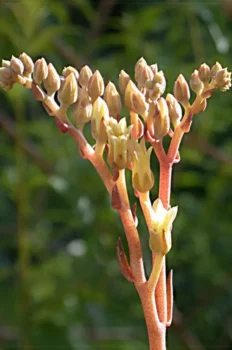
- Produces tall, elegant flower stalks with yellow to pale orange blooms
- Extremely drought tolerant once established
- Perfect for rock gardens and Mediterranean-style landscapes
- Attracts native bees and small pollinators when in bloom
Growing Conditions and Care
If you’re committed to growing this rare beauty, here’s what you need to know:
Climate Requirements: This plant is suited for USDA hardiness zones 9-10, thriving in California’s mild coastal and valley climates.
Soil Needs: Excellent drainage is absolutely critical. Think rocky, sandy, or serpentine-type soils that drain quickly after rain.
Light Requirements: Full sun to partial shade works best.
Water Needs: Once established, this is a true drought warrior. Water sparingly and only during the driest periods.
Planting and Care Tips
- Plant in raised beds or slopes to ensure excellent drainage
- Avoid overwatering – soggy soil is this plant’s worst enemy
- Provide some protection from extreme heat in inland areas
- Allow flower stalks to set seed if you want to support local wildlife
- Propagate through offsets (baby plants) that form around the base
A Conservation Commitment
Growing Santa Clara Valley liveforever isn’t just about adding a unique plant to your garden – it’s about participating in conservation. By choosing to grow this rare native with responsibly sourced plants, you’re helping preserve a piece of California’s natural heritage.
While we don’t have complete information about all its wildlife benefits, we do know that its flowers provide nectar for native pollinators, making it a valuable addition to any native plant collection.
Remember, this isn’t a plant for every garden or every gardener. It requires specific conditions and a commitment to responsible growing practices. But for those willing to meet its needs and respect its rarity, Santa Clara Valley liveforever offers the chance to grow something truly special – a living piece of California’s endangered botanical heritage.