Santa Cruz Manzanita: A Rare California Native Worth Protecting in Your Garden
If you’re looking for a truly special addition to your California native garden, the Santa Cruz manzanita might just be your holy grail. This stunning evergreen shrub isn’t just beautiful—it’s also incredibly rare, making it both a gardening treasure and a conservation opportunity right in your backyard.
What Makes Santa Cruz Manzanita Special?
Scientifically known as Arctostaphylos andersonii, the Santa Cruz manzanita is a perennial shrub that typically grows as a multi-stemmed woody plant reaching 13 to 16 feet in height. What sets this plant apart from its more common manzanita cousins is its extremely limited range and striking year-round beauty.
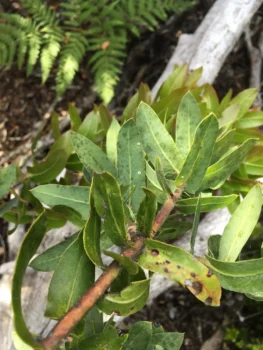
This evergreen beauty showcases dense, small oval leaves with a lovely leathery texture, complemented by attractive reddish bark that adds winter interest. Come late winter and early spring, clusters of delicate white to pink urn-shaped flowers create a spectacular display that pollinators absolutely adore.
A True California Endemic
The Santa Cruz manzanita is native to the lower 48 states, specifically California, where it calls the Santa Cruz County area home. This plant is found primarily in the Santa Cruz Mountains, making it a true local treasure for California gardeners.
- Species observed
- No observations
Important Conservation Note
Here’s something crucial every gardener needs to know: Santa Cruz manzanita has a Global Conservation Status of S2, meaning it’s imperiled due to extreme rarity. With typically only 6 to 20 occurrences remaining and few individuals in the wild (1,000 to 3,000), this plant is especially vulnerable to extinction.
If you choose to grow this rare beauty, please only purchase from reputable native plant nurseries that use ethically sourced, propagated material—never wild-collected plants. By growing responsibly sourced Santa Cruz manzanita, you’re actually helping conservation efforts!
Why Your Garden (and Local Wildlife) Will Love It
Despite its rarity, Santa Cruz manzanita offers tremendous benefits for both gardeners and local ecosystems:
- Provides early-season nectar for bees, butterflies, and hummingbirds when few other flowers are blooming
- Creates excellent habitat and shelter for native wildlife
- Offers year-round visual interest with evergreen foliage and attractive bark
- Perfect for water-wise landscaping once established
- Excellent for erosion control on slopes and hillsides
- Adds authentic native character to Mediterranean-style gardens
Perfect Garden Settings
Santa Cruz manzanita shines in several landscape applications:
- Native plant and wildlife gardens
- Drought-tolerant Mediterranean landscapes
- Hillside and slope plantings
- Water-wise residential landscapes
- Conservation gardens focused on rare species
Growing Conditions and Care
Successfully growing Santa Cruz manzanita requires understanding its natural preferences. This shrub thrives in USDA hardiness zones 8-10 and appreciates conditions similar to its native Santa Cruz Mountains habitat.
Ideal Growing Conditions:
- Well-draining, acidic soil (crucial for preventing root rot)
- Full sun to partial shade
- Good air circulation
- Minimal summer water once established
Planting and Care Tips
Want to give your Santa Cruz manzanita the best start? Follow these proven tips:
- Plant in fall: This gives roots time to establish before the growing season
- Improve drainage: Amend heavy soils or plant on slopes to ensure excellent drainage
- Water wisely: Provide regular water the first year, then reduce significantly—avoid summer irrigation once established
- Mulch thoughtfully: Use organic mulch but keep it away from the trunk
- Prune lightly: Only prune after flowering, and keep it minimal
- Be patient: Like most manzanitas, this shrub establishes slowly but rewards patience with decades of beauty
A Living Legacy in Your Garden
Choosing to grow Santa Cruz manzanita means becoming a steward of California’s botanical heritage. This rare native offers unique beauty, supports local wildlife, and connects your garden to the natural history of the Golden State. Just remember to source your plant responsibly—you’ll be growing not just a garden treasure, but hope for a species’ future.
While Santa Cruz manzanita requires specific conditions and mindful care, the reward is a truly special plant that few gardeners get to enjoy. It’s not just landscaping; it’s conservation in action.