Santa Lucia Manzanita: A Rare California Treasure for Your Native Garden
If you’re passionate about native California plants and conservation, the Santa Lucia manzanita (Arctostaphylos luciana) might just capture your heart. This remarkable shrub isn’t just another pretty face in the manzanita family—it’s a rare botanical gem that deserves our attention and protection.
What Makes Santa Lucia Manzanita Special?
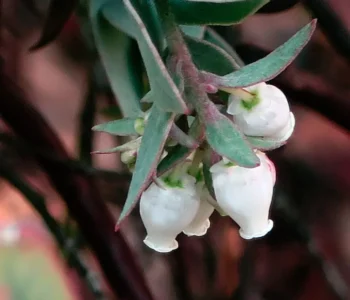
Santa Lucia manzanita is a perennial evergreen shrub that typically grows as a multi-stemmed woody plant, usually reaching heights of 4-5 feet, though it can occasionally grow taller under ideal conditions. Like its manzanita cousins, this beauty showcases the classic features we love: smooth, reddish bark that practically glows in the sunlight, small leathery leaves that stay green year-round, and clusters of delicate white to pink urn-shaped flowers that bloom in winter and early spring.
But here’s what makes this plant truly special—it’s incredibly rare. Santa Lucia manzanita has a Global Conservation Status of S2, meaning it’s imperiled with typically only 6 to 20 occurrences remaining in the wild, representing just 1,000 to 3,000 individual plants.
Where Does It Call Home?
This native California treasure has one of the most limited ranges you’ll find among manzanitas. Santa Lucia manzanita is endemic to the Santa Lucia Mountains in Monterey County, California—and that’s it! This incredibly restricted distribution makes every single plant precious.
- Species observed
- No observations
Should You Plant Santa Lucia Manzanita?
The short answer is: yes, but with important caveats. Given its imperiled status, growing Santa Lucia manzanita can actually help conservation efforts—but only if you source your plant responsibly. Here’s what you need to know:
- Only purchase from reputable native plant nurseries that propagate from legally and ethically obtained seed or cuttings
- Never collect plants or seeds from wild populations
- Consider it a conservation investment in preserving this rare species
- Perfect for gardeners who want to grow something truly unique and meaningful
Perfect Garden Settings
Santa Lucia manzanita shines in several garden styles:
- Native California gardens where it can mingle with other regional treasures
- Drought-tolerant landscapes that celebrate water-wise gardening
- Mediterranean-style gardens that appreciate its evergreen structure
- Conservation gardens dedicated to preserving rare species
- Wildlife gardens where it can support local pollinators
Growing Conditions That Make It Happy
Like most manzanitas, Santa Lucia manzanita is refreshingly low-maintenance once you understand its needs:
- Sunlight: Full sun to partial shade
- Soil: Well-draining soil is absolutely critical—soggy roots spell disaster
- Water: Drought-tolerant once established; actually prefers minimal summer water
- Climate: Thrives in USDA hardiness zones 8-10
- Space: Allow 4-6 feet between plants for proper air circulation
Planting and Care Tips for Success
Getting your Santa Lucia manzanita off to a good start is easier than you might think:
- Best planting time: Fall, when cooler temperatures help establishment
- Soil preparation: Amend heavy clay soils with coarse sand or pumice for drainage
- Watering schedule: Water regularly the first year, then transition to minimal summer irrigation
- Pruning: Minimal pruning needed; remove dead or damaged branches in late spring
- Fertilizing: Skip the fertilizer—these plants prefer lean, native soils
Wildlife and Pollinator Benefits
Your Santa Lucia manzanita will become a buzzing hub of activity! The winter and spring flowers attract native bees, butterflies, and other pollinators when few other plants are blooming. The small berries that follow provide food for birds, and the overall structure offers shelter for various wildlife species.
A Plant Worth Protecting
Growing Santa Lucia manzanita isn’t just about adding a beautiful, low-maintenance shrub to your garden—it’s about participating in conservation. Every responsibly grown plant represents hope for this imperiled species and demonstrates that gardeners can make a real difference in preserving California’s botanical heritage.
If you’re ready to welcome this rare treasure into your garden, take time to source it properly and give it the well-drained, sunny spot it craves. Your patience will be rewarded with years of subtle beauty and the satisfaction of knowing you’re helping preserve one of California’s rarest manzanitas.