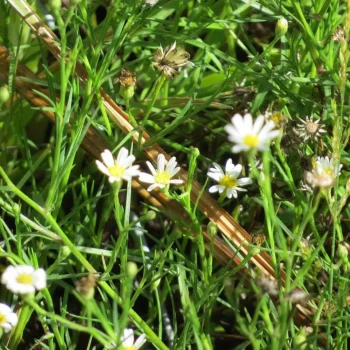
Santa Rita Mountain Aster: A Rare Desert Gem Worth Protecting
Meet the Santa Rita Mountain aster (Symphyotrichum potosinum), one of Arizona’s most precious floral treasures. This unassuming little wildflower might not look like much at first glance, but it’s actually a botanical rarity that deserves our respect and protection. If you’re passionate about native plants and conservation, this delicate desert dweller has quite a story to tell.
What Makes This Aster Special?
The Santa Rita Mountain aster is a true Arizona native, found nowhere else in the world except within the state’s borders. This perennial forb belongs to the sunflower family and produces charming daisy-like blooms that range from white to pale purple. Like other asters, it saves its best show for fall, when its flowers provide a welcome splash of color in the desert landscape.
You might also see this plant listed under its former scientific names, including Aster lemmonii or Aster potosinus, but botanists now classify it as Symphyotrichum potosinum. Whatever you call it, this little wildflower packs a lot of character into its herbaceous frame.
A Plant on the Edge
Here’s the important part: The Santa Rita Mountain aster has a Global Conservation Status of S2, which means it’s considered imperiled. With typically only 6 to 20 known occurrences and an estimated population of just 1,000 to 3,000 individuals, this species is walking a tightrope toward extinction. Its extreme rarity makes it especially vulnerable, and every plant counts.
This rare status is found exclusively in Arizona, making it a true endemic treasure of the American Southwest.
- Species observed
- No observations
Should You Grow Santa Rita Mountain Aster?
This is where things get a bit complicated. While we absolutely encourage growing native plants, the Santa Rita Mountain aster’s imperiled status requires special consideration. If you’re determined to include this rare beauty in your garden, here are the ground rules:
- Only use responsibly sourced material – Never collect from wild populations
- Purchase only from reputable native plant nurseries with proper permits
- Consider participating in conservation propagation efforts
- Focus on habitat preservation if you encounter wild populations
Growing Conditions and Care
If you do manage to source this rare aster responsibly, you’ll need to recreate its natural mountain desert habitat. The Santa Rita Mountain aster thrives in:
- Well-draining soils – Desert plants despise soggy feet
- Full sun to partial shade – It’s adapted to bright southwestern conditions
- Minimal water – Once established, it’s quite drought tolerant
- USDA Zones 8-10 – Suitable for warm, arid climates
The key to success is restraint – especially with watering. This desert native is far more likely to succumb to kindness (overwatering) than neglect.
Garden Role and Landscape Design
In the right setting, Santa Rita Mountain aster works beautifully in:
- Specialized native plant collections
- Desert and xerophytic gardens
- Conservation-focused landscapes
- Educational gardens highlighting rare species
Its fall blooms provide valuable nectar for native bees, butterflies, and other pollinators during a time when many other desert plants have finished flowering for the year.
The Bottom Line
The Santa Rita Mountain aster represents both the beauty and fragility of our native flora. While most gardeners should probably admire this species from afar and focus on more common native alternatives, those with the proper resources and commitment to conservation can play a role in its preservation.
If you’re interested in supporting native asters that are less conservation-sensitive, consider other Symphyotrichum species appropriate for your region. Every native plant we grow helps support local ecosystems – and sometimes, the best way to help a rare species is to give its more common cousins a chance to shine in our gardens.
Remember: in the world of rare plants, sometimes the most loving thing we can do is appreciate them where they naturally belong while working to protect their wild habitats for future generations.