Santa Rosa Horkelia: A Rare California Native Worth Protecting in Your Garden
If you’re passionate about growing truly special native plants, Santa Rosa horkelia (Horkelia tenuiloba) might just be the hidden gem your California garden has been waiting for. This delicate perennial isn’t your run-of-the-mill native plant – it’s actually quite rare and deserves our attention and protection.
What Makes Santa Rosa Horkelia Special?
Santa Rosa horkelia is a charming little forb (that’s garden-speak for a non-woody flowering plant) that belongs to the rose family. You might also see it listed under its old scientific name, Potentilla micheneri, but don’t let that confuse you – it’s the same lovely plant.
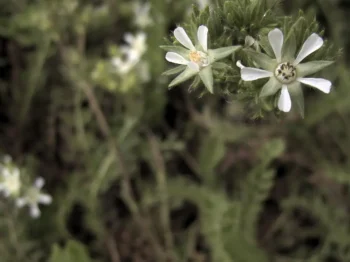
This perennial produces clusters of small white to pale pink flowers that sit atop delicate, compound leaves. The overall effect is quite dainty and adds a subtle, naturalistic beauty to any planting scheme. It’s the kind of plant that rewards close inspection – you’ll want to get down and really look at those intricate little blooms.
Where Does It Come From?
Santa Rosa horkelia is a true California endemic, meaning you won’t find it growing wild anywhere else in the world. It calls the Golden State home, specifically favoring areas in the North Coast Ranges and around the San Francisco Bay Area.
- Species observed
- No observations
A Word of Caution: This Plant Needs Our Help
Here’s something important every potential grower needs to know: Santa Rosa horkelia has a Global Conservation Status of S2, which means it’s considered Imperiled. In plain terms, this plant is extremely rare in the wild, with typically only 6 to 20 known occurrences and possibly just 1,000 to 3,000 individual plants remaining.
What does this mean for you as a gardener? If you decide to grow Santa Rosa horkelia (and we hope you do!), please make absolutely sure you’re getting your plants or seeds from reputable, responsible sources. Never collect from wild populations, and always ask your nursery about the origin of their stock.
Why Grow Santa Rosa Horkelia?
Despite its rarity – or perhaps because of it – there are compelling reasons to include this plant in your garden:
- You’ll be participating in conservation efforts by maintaining genetic diversity
- It supports local pollinators, particularly small native bees
- It’s perfectly adapted to California’s Mediterranean climate
- It adds authentic local character to native plant gardens
- It’s a conversation starter – how many people can say they’re growing an imperiled species?
Perfect Garden Settings
Santa Rosa horkelia isn’t meant for every garden, but it shines in the right settings:
- Native California plant gardens
- Rock gardens with excellent drainage
- Wildlife and pollinator gardens
- Conservation-focused landscapes
- Specialized collections of rare plants
Growing Conditions and Care
Like many California natives, Santa Rosa horkelia has some specific preferences, but once you understand them, it’s quite manageable:
Climate: This plant is hardy in USDA zones 9-10, making it suitable for most of California’s milder regions.
Sun and Shade: It’s adaptable to both partial shade and full sun, though some afternoon protection in hotter inland areas is appreciated.
Soil: The absolute key to success is excellent drainage. Santa Rosa horkelia cannot tolerate waterlogged conditions, so amend heavy soils with coarse sand or grow it in raised beds or rock gardens.
Water: Once established, this drought-tolerant native needs minimal summer water. In fact, too much summer irrigation can be harmful. Water deeply but infrequently during the growing season, and allow it to go nearly dry in summer dormancy.
Planting and Ongoing Care
Getting Santa Rosa horkelia established requires a bit of finesse, but it’s worth the effort:
- Plant in fall or early spring when temperatures are moderate
- Ensure your planting site has perfect drainage – this cannot be overstated
- Water regularly the first year to help establish roots, then gradually reduce
- Avoid fertilizers, which can encourage soft growth susceptible to problems
- Protect from extreme heat with light shade or strategic placement
- Allow the plant to go dormant naturally in summer
A Garden with Purpose
Growing Santa Rosa horkelia isn’t just about adding another pretty plant to your collection – it’s about becoming a guardian for California’s botanical heritage. Every responsibly grown plant represents hope for this species’ future and contributes to the broader conservation effort.
If you’re ready to take on the rewarding challenge of growing this rare native, start by connecting with reputable native plant societies, specialized nurseries, or conservation organizations. They can help you source plants ethically and provide ongoing support for your conservation gardening journey.
Remember, gardening with rare natives like Santa Rosa horkelia makes you part of something bigger than just a beautiful landscape – you’re helping preserve California’s unique natural legacy for future generations.