Santa Rosa Island Manzanita: A Rare Gem Worth Protecting
If you’re drawn to unique native plants with a story to tell, the Santa Rosa Island manzanita (Arctostaphylos confertiflora) might just capture your heart. But before you fall head over heels for this California beauty, there’s something important you need to know – this isn’t just any garden-variety shrub.
What Makes This Manzanita Special?
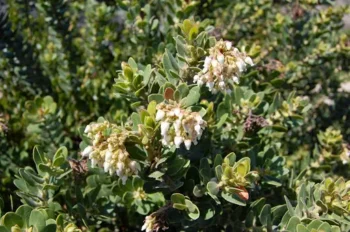
Santa Rosa Island manzanita is a perennial shrub that typically grows as a multi-stemmed woody plant, usually staying under 13-16 feet tall. What sets it apart isn’t just its attractive clusters of small, urn-shaped white to pink flowers or its characteristic reddish bark – it’s where it calls home and how few of them are left in the wild.
A Plant on the Edge
Here’s the crucial part: This manzanita is critically imperiled with a Global Conservation Status of S1, meaning it’s extremely rare with typically 5 or fewer occurrences in the wild. On its native Santa Rosa Island, it’s classified as endangered. This isn’t a plant you’ll find at your local nursery, and that’s probably for the best.
Native Range and Current Status
Santa Rosa Island manzanita is endemic to California, specifically Santa Rosa Island in the Channel Islands. This extremely limited geographic distribution makes it one of the rarest manzanita species in North America.
- Species observed
- No observations
Should You Grow Santa Rosa Island Manzanita?
The short answer is: only if you can source it responsibly and legally. Given its endangered status, this plant should only be grown from:
- Seeds or cuttings from legally cultivated plants (never wild-collected)
- Reputable native plant societies with conservation programs
- Botanical gardens with propagation programs
If you can’t source it responsibly, consider these alternative manzanitas that offer similar beauty without the conservation concerns: Arctostaphylos densiflora (Vine Hill manzanita) or Arctostaphylos edmundsii (Little Sur manzanita).
Growing Conditions and Care
If you’re fortunate enough to grow this rare beauty, here’s what it needs to thrive:
Ideal Growing Conditions
- Hardiness zones: 9-10
- Sunlight: Full sun to partial shade
- Soil: Well-draining, slightly acidic soil (excellent drainage is crucial)
- Water: Drought-tolerant once established; avoid summer watering
Planting and Care Tips
- Plant in fall for best establishment
- Ensure perfect drainage – this plant hates wet feet
- Water sparingly during the first year, then rely on natural rainfall
- Avoid fertilizers, which can harm manzanitas
- Mulch with gravel or decomposed granite rather than organic mulch
Garden Design and Landscape Role
In the right garden, Santa Rosa Island manzanita makes a stunning specimen plant. It’s perfect for:
- Mediterranean-style gardens
- Drought-tolerant landscapes
- Native California plant collections
- Rock gardens with excellent drainage
Its dense flower clusters provide early-season nectar for native bees, butterflies, and hummingbirds, making it valuable for pollinator gardens.
The Bottom Line
Santa Rosa Island manzanita represents both the beauty and fragility of California’s native flora. While it’s a remarkable plant that would grace any appropriate garden, its conservation status means we must approach it with respect and responsibility. If you can’t source it ethically, celebrating and growing its more common relatives is a wonderful way to support native plant gardening while helping preserve wild populations of this endangered beauty.
Remember: every rare plant in cultivation is a genetic insurance policy for the species. If you do grow Santa Rosa Island manzanita, you’re not just adding beauty to your garden – you’re participating in conservation.