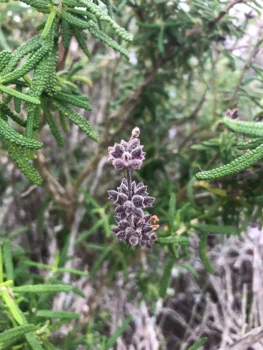
Santa Rosa Island Sage: A Rare Coastal Treasure for Your Garden
Meet Santa Rosa Island sage (Salvia brandegeei), a charming little shrub that’s as rare as it is beautiful. This California native brings the wild essence of the Channel Islands right to your backyard, but there’s an important story behind this special plant that every gardener should know.
What Makes Santa Rosa Island Sage Special?
Santa Rosa Island sage is a true California original, belonging to the beloved mint family. This perennial shrub typically grows 3-4 feet tall and wide, creating a lovely mounded shape that fits perfectly into Mediterranean-style gardens and drought-tolerant landscapes. Its gray-green aromatic leaves release a pleasant fragrance when brushed against, while delicate spikes of white to pale blue flowers dance above the foliage from late spring through summer.
You might occasionally see this plant listed under its synonym, Salvia mellifera Greene ssp. revoluta, but don’t let the scientific names confuse you – it’s the same wonderful plant!
Where Does It Come From?
Here’s where things get really interesting: Santa Rosa Island sage is endemic to California, specifically to Santa Rosa Island, one of the Channel Islands off the coast. This incredibly limited native range makes it a true botanical treasure.
- Species observed
- No observations
A Word of Caution: Rarity Status
Before you rush out to plant this beauty, there’s something crucial you need to know. Santa Rosa Island sage has a Global Conservation Status of S2, meaning it’s imperiled due to extreme rarity. With typically only 6 to 20 occurrences and few remaining individuals (1,000 to 3,000), this plant is fighting for survival in the wild.
If you choose to grow Santa Rosa Island sage, please only purchase from reputable native plant nurseries that use responsibly sourced, ethically propagated material. Never collect plants from the wild – this could push the species closer to extinction.
Why Grow Santa Rosa Island Sage?
Despite its rarity concerns, there are compelling reasons to include this plant in your garden when sourced responsibly:
- Pollinator magnet: Bees, butterflies, and hummingbirds absolutely love the nectar-rich flowers
- Water-wise choice: Once established, it’s incredibly drought tolerant
- Coastal tough: Handles salt air and coastal conditions like a champ
- Aromatic foliage: Adds wonderful fragrance to your garden
- Conservation contribution: Growing it helps preserve the genetic diversity of this rare species
Perfect Garden Roles
Santa Rosa Island sage shines in several landscape settings:
- Mediterranean and drought-tolerant gardens
- Native plant collections and botanical gardens
- Coastal landscapes where salt tolerance is needed
- Pollinator gardens and butterfly habitats
- Rock gardens and xeriscapes
Growing Conditions and Care
This island native prefers conditions that mimic its natural coastal habitat:
- Sunlight: Full sun to partial shade
- Soil: Well-draining soil is absolutely essential – soggy roots spell disaster
- Water: Drought tolerant once established; water sparingly
- Climate zones: USDA hardiness zones 9-11 (coastal California conditions)
- Spacing: Plant 3-4 feet apart to allow for mature spread
Planting and Care Tips
Success with Santa Rosa Island sage comes down to mimicking its natural island environment:
- Drainage is king: Amend heavy clay soils with sand and organic matter
- Start small: Plant in fall or early spring for best establishment
- Water wisely: Deep, infrequent watering encourages strong root systems
- Prune lightly: Trim spent flower spikes to encourage reblooming
- Mulch carefully: Use gravel or decomposed granite rather than organic mulches
The Bottom Line
Santa Rosa Island sage offers gardeners a chance to grow a piece of California’s botanical heritage while supporting pollinators and water-wise gardening. However, its imperiled status means we must approach cultivation with respect and responsibility. If you can source this plant ethically and provide the well-draining conditions it craves, you’ll be rewarded with a fragrant, pollinator-friendly shrub that connects your garden to the wild beauty of the Channel Islands.
Remember: every plant we grow responsibly is a small victory for conservation. Choose wisely, source ethically, and enjoy this rare coastal treasure!