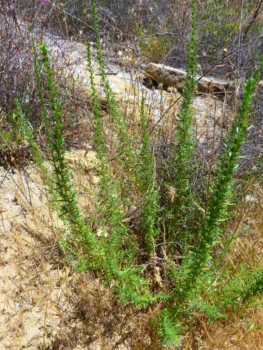
Santa Susana Tarweed: A Rare California Native Worth Protecting in Your Garden
If you’re passionate about native California plants and conservation, Santa Susana tarweed (Deinandra minthornii) might just be the perfect addition to your drought-tolerant garden. This charming perennial shrub brings late-season color to landscapes while supporting local wildlife—but there’s an important conservation story behind this beautiful native.
What Makes Santa Susana Tarweed Special?
Santa Susana tarweed is a California endemic that produces cheerful yellow, daisy-like flowers when most other plants are winding down for the year. This perennial shrub typically grows as a multi-stemmed woody plant, usually staying under 13-16 feet in height, making it perfect for residential landscapes. The aromatic foliage adds another sensory dimension to your garden, releasing its distinctive scent when brushed against or after rain.
Previously known by the scientific synonym Hemizonia minthornii, this tarweed species belongs to the sunflower family and showcases the incredible diversity of California’s native flora.
Where Does It Grow Naturally?
Santa Susana tarweed is found exclusively in California, with its natural habitat centered in the Santa Susana Mountains and surrounding areas of Ventura and Los Angeles counties. This limited geographic range makes it a true regional treasure.
- Species observed
- No observations
Important Conservation Considerations
Here’s where things get serious: Santa Susana tarweed has a Global Conservation Status of S2, meaning it’s considered Imperiled. This classification indicates the species faces extreme rarity or factors that make it especially vulnerable to disappearing forever. With typically only 6 to 20 known occurrences and few remaining individuals (estimated at 1,000 to 3,000), this plant desperately needs our help.
If you choose to grow Santa Susana tarweed, please only source it from reputable native plant nurseries that propagate from ethically collected seeds or cuttings—never wild-collect this rare species.
Why Grow Santa Susana Tarweed?
Despite its rarity challenges, there are compelling reasons to include this native in your garden:
- Late-season pollinator magnet: The bright yellow flowers bloom in late summer and fall, providing crucial nectar when many other plants have finished flowering
- Drought tolerance: Once established, this California native thrives with minimal water, perfect for sustainable landscaping
- Low maintenance: As a perennial shrub, it returns year after year with minimal care
- Conservation impact: Growing this species responsibly helps preserve genetic diversity and supports conservation efforts
- Authentic California character: Nothing says true California garden quite like endemic species
Perfect Garden Settings
Santa Susana tarweed shines in:
- Native California plant gardens
- Drought-tolerant xeriscape landscapes
- Wildlife habitat gardens
- Mediterranean-style gardens
- Conservation-focused residential landscapes
Growing Conditions and Care
This California native prefers conditions that mimic its natural mountain habitat:
- Sunlight: Full sun exposure
- Soil: Well-draining soils; avoid heavy clay or waterlogged conditions
- Water: Drought-tolerant once established, but benefits from occasional deep watering during extreme dry spells
- Climate: Thrives in USDA hardiness zones 9-10, suited for Mediterranean climates
- Planting time: Fall planting allows roots to establish during cooler, wetter months
Planting and Care Tips
Success with Santa Susana tarweed comes from understanding its natural preferences:
- Plant in fall when temperatures cool and winter rains begin
- Space plants appropriately to allow for their natural shrub form
- Water regularly the first year to establish deep roots, then reduce watering
- Protect young plants from deer and rabbit browsing with temporary fencing if needed
- Avoid fertilizers—California natives typically prefer lean soils
- Allow plants to go dormant naturally in winter
Supporting Pollinators and Wildlife
The late-season blooms of Santa Susana tarweed provide essential resources for native bees, butterflies, and other pollinators when few other flowers remain available. This timing makes it an especially valuable addition to wildlife-supporting gardens.
The Bottom Line
Santa Susana tarweed represents both an opportunity and a responsibility for California gardeners. By choosing to grow this imperiled native species with responsibly sourced plants, you’re not just adding beauty to your landscape—you’re participating in conservation efforts that could help prevent extinction.
Remember, the key is sourcing plants ethically from reputable native plant nurseries that propagate rather than wild-collect. With proper care and the right growing conditions, you can enjoy this rare California treasure while helping ensure future generations will have the chance to appreciate it too.