Santolina Pincushion: A Rare California Native Worth Protecting
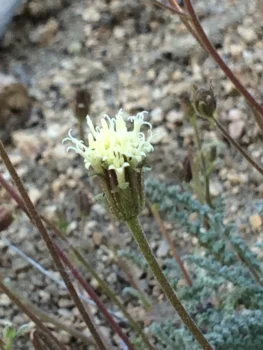
Meet the Santolina pincushion (Chaenactis santolinoides), a charming little wildflower that’s become something of a botanical treasure in California. This delightful native perennial might not be the showiest plant in your garden, but it packs plenty of personality into its compact form—and comes with an important conservation story.
What Makes This Plant Special?
The Santolina pincushion is a true California original, found nowhere else in the world. This perennial forb (that’s botanist-speak for a non-woody flowering plant) belongs to the sunflower family and sports the kind of silvery, finely-divided foliage that looks almost ethereal in the right light. Its small but numerous white to pale yellow flowers cluster together in dense, rounded heads that really do resemble tiny pincushions—hence the name!
Where Does It Call Home?
This special plant is endemic to California, meaning it evolved here and exists naturally nowhere else on Earth. You’ll find it primarily in the Sierra Nevada and the mountains of southern California, where it has adapted to some pretty challenging conditions over thousands of years.
- Species observed
- No observations
A Word of Caution: This Plant Needs Our Help
Here’s where things get serious: Chaenactis santolinoides has a Global Conservation Status of S2S3, which means it’s considered rare and potentially vulnerable. Before you get excited about adding this beauty to your garden, it’s crucial to source it responsibly. Only purchase plants or seeds from reputable native plant nurseries that propagate their stock ethically, rather than collecting from wild populations.
Garden Appeal and Design Role
Despite its rarity in the wild, the Santolina pincushion can be a wonderful addition to the right garden setting. Its silvery foliage provides excellent contrast in native plant gardens, and those charming pincushion flowers add subtle beauty without overwhelming more dramatic neighbors. It works particularly well as:
- A ground cover in rock gardens
- An accent plant in drought-tolerant borders
- A specimen in Mediterranean-style landscapes
- Part of a conservation-minded native plant collection
Growing Conditions: Keep It Simple
The good news? This plant isn’t particularly fussy once you understand its needs. Having evolved in California’s challenging mountain environments, it’s naturally adapted to:
- Full sun: Give it at least 6-8 hours of direct sunlight daily
- Excellent drainage: Sandy or rocky soils are ideal—soggy conditions are its enemy
- Low water: Once established, it thrives with minimal irrigation
- USDA zones 8-10: It can handle some cold but prefers milder climates
Planting and Care Tips
Growing Santolina pincushion successfully is all about mimicking its natural habitat:
- Soil preparation: Amend heavy clay soils with sand, pumice, or gravel to improve drainage
- Watering: Water regularly the first season to establish roots, then cut back dramatically
- Fertilizing: Skip it! This plant evolved in nutrient-poor soils and too much fertility can make it leggy
- Maintenance: Minimal pruning needed—just remove spent flowers if desired
Wildlife and Pollinator Benefits
Don’t let its delicate appearance fool you—this plant is a pollinator magnet! Native bees absolutely love the flowers, and you’ll likely see butterflies and other beneficial insects visiting throughout the blooming season. By growing this rare native, you’re not just adding beauty to your garden; you’re supporting local ecosystems and providing crucial habitat for native wildlife.
Should You Grow It?
If you’re passionate about native plants and conservation, and you can source Santolina pincushion responsibly, it’s absolutely worth growing. Just remember that you’re not just gardening—you’re participating in conservation efforts for a rare California endemic. This isn’t a plant for casual gardeners looking for instant gratification, but for those willing to work with its specific needs, it offers the reward of growing something truly special and helping preserve California’s botanical heritage.
The Santolina pincushion might be small and unassuming, but in a world where native plant habitats are increasingly threatened, every garden that provides a home for rare species like this one is making a difference. Sometimes the most meaningful gardening choices aren’t about the biggest blooms or fastest growth—they’re about preserving the irreplaceable natural treasures that make our local landscapes unique.