Savannah Sneezeweed: A Rare Spring Beauty for Southeastern Gardens
If you’re looking for a native wildflower that brings sunshine to your garden when winter’s grip is just loosening, let me introduce you to savannah sneezeweed (Helenium vernale). Don’t let the name fool you – this cheerful yellow bloomer is nothing to sneeze at! This southeastern native is a true spring ephemeral that deserves a spot in more gardens, though with some important conservation considerations.
What Makes Savannah Sneezeweed Special
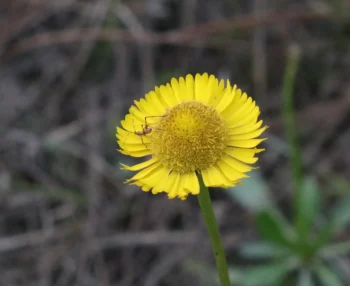
Savannah sneezeweed is a perennial forb that puts on quite a show each spring. From March through May, this herbaceous beauty produces bright yellow, daisy-like flowers that seem to glow in the landscape. Each bloom features drooping yellow ray petals surrounding a prominent dome-shaped center, creating flowers that are typically 1-2 inches across. The cheerful blooms appear when few other wildflowers are active, making this plant a valuable early-season nectar source.
Where It Calls Home
This delightful native is found throughout the southeastern United States, growing naturally in Alabama, Florida, Georgia, Louisiana, Mississippi, North Carolina, and South Carolina. It’s particularly fond of the coastal plain regions, where it thrives in the wet, low-lying areas that characterize much of the Southeast’s natural landscape.
- Species observed
- No observations
An Important Conservation Note
Here’s something crucial to know: savannah sneezeweed is considered rare in parts of its range. In Alabama, it holds an S2 rarity status, meaning it’s imperiled in that state. This makes it all the more important to appreciate and protect this special plant. If you decide to add it to your garden, please make sure you source it responsibly from reputable native plant nurseries that propagate their own stock rather than wild-collecting.
Perfect Spots in Your Garden
Savannah sneezeweed is the ideal choice for:
- Rain gardens and bioswales
- Wet meadow plantings
- Native plant gardens in the Southeast
- Wetland restoration projects
- Low-lying areas that stay consistently moist
Since this plant has facultative wetland status in both the Atlantic and Gulf Coastal Plain and Eastern Mountains and Piedmont regions, it usually occurs in wetlands but can adapt to non-wetland conditions if they’re kept adequately moist.
Growing Conditions That Make It Happy
Think of savannah sneezeweed as a plant that loves to get its feet wet. Here’s what it needs to thrive:
- Moisture: Prefers consistently moist to wet soils and can tolerate periodic flooding
- Sunlight: Full sun to partial shade
- Climate: Hardy in USDA zones 7-9, perfect for southeastern gardens
- Soil: Adaptable to various soil types as long as moisture needs are met
Planting and Care Tips
The good news is that once established, savannah sneezeweed is relatively low-maintenance. Plant it in areas where water naturally collects or where you can provide consistent moisture. Spring or fall planting works well, giving the roots time to establish before the next growing season.
After flowering, you can deadhead spent blooms if you prefer a tidier look, though leaving them may allow for natural reseeding in appropriate conditions. The plant will die back in winter and return each spring with fresh growth.
Wildlife and Pollinator Benefits
One of the best reasons to grow savannah sneezeweed is its value to native wildlife. Its early spring bloom time makes it a crucial nectar source for native bees, butterflies, and other pollinators when few other flowers are available. This timing helps support pollinator populations during a critical period in their life cycles.
Should You Grow Savannah Sneezeweed?
If you live in the Southeast and have a spot that stays consistently moist, savannah sneezeweed could be a wonderful addition to your native plant palette. Its early spring blooms, pollinator value, and adaptation to wet conditions make it both beautiful and functional. However, remember to source your plants responsibly due to its conservation status – choose nursery-propagated plants over wild-collected specimens.
By growing this rare native, you’re not just adding beauty to your garden; you’re also supporting biodiversity and helping preserve a piece of our southeastern heritage. That’s something worth celebrating, not sneezing at!