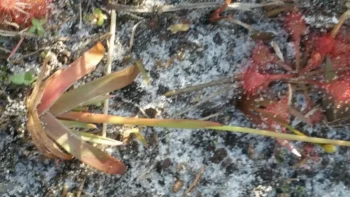
Savannah Yelloweyed Grass: A Sunny Native for Wet Spots
If you’ve ever wondered what to plant in that perpetually soggy corner of your yard, meet savannah yelloweyed grass (Xyris flabelliformis) – a cheerful native that actually loves having wet feet! This unassuming perennial might not win any height contests, but it brings sunshine to wetland gardens with its bright yellow blooms and easy-going nature.
What Makes Savannah Yelloweyed Grass Special
Don’t let the name fool you – this isn’t your typical lawn grass. Savannah yelloweyed grass is a charming forb that forms neat clumps of narrow, grass-like leaves topped with distinctive yellow flower heads. The small, bright yellow flowers are arranged in cone-shaped clusters that sit atop slender stems, creating a delightful display from late spring through summer.
As a native plant to the southeastern United States, this species has evolved to thrive in the region’s unique wetland environments. You’ll find it naturally growing across Alabama, Florida, Georgia, Mississippi, North Carolina, and South Carolina, where it’s perfectly at home in marshes, wet pine savannas, and boggy areas.
- Species observed
- No observations
Why Your Garden (and Local Wildlife) Will Love It
Here’s where savannah yelloweyed grass really shines – it’s practically maintenance-free once established and provides valuable resources for native pollinators. The bright yellow flowers attract small native bees and other beneficial insects, making it a fantastic choice for supporting local ecosystems.
This perennial plant serves several roles in the landscape:
- Adds vertical interest to low-lying wet areas
- Provides seasonal color in challenging growing conditions
- Supports native pollinators and insects
- Helps with natural water filtration in rain gardens
- Creates texture contrast with its grass-like foliage
Perfect Growing Conditions
Savannah yelloweyed grass is what botanists call an obligate wetland plant, which is a fancy way of saying it absolutely loves constantly moist to wet conditions. In fact, it can handle standing water better than most plants – making it perfect for those problem areas where other plants struggle.
Here’s what this happy little plant prefers:
- Sunlight: Full sun to partial shade (at least 6 hours of direct sunlight is ideal)
- Soil: Consistently moist to wet, acidic soils with good organic content
- Water: Thrives in standing water or constantly saturated soil
- Climate: Hardy in USDA zones 8-10
Where to Use Savannah Yelloweyed Grass
This versatile native works beautifully in several garden situations:
- Rain gardens: Perfect for capturing and filtering stormwater runoff
- Bog gardens: Adds color and texture to specialized wetland plantings
- Pond margins: Creates natural-looking transitions around water features
- Wetland restoration: Essential for recreating authentic southeastern wetland ecosystems
- Naturalized landscapes: Brings wild beauty to informal garden areas
Planting and Care Tips
The best part about growing savannah yelloweyed grass? It’s incredibly low-maintenance once you get it established in the right spot. Here’s how to set it up for success:
Planting: Spring is the ideal time to plant. Choose a location that stays consistently moist or wet. If your soil tends to dry out, consider creating a depression or installing a simple water collection system to keep the area saturated.
Soil preparation: While not picky about soil type, adding organic matter like compost or leaf mold will help retain moisture and provide nutrients.
Ongoing care: Once established, this plant is remarkably self-sufficient. The main requirement is maintaining consistent moisture – if you’ve chosen the right spot, nature will handle most of this for you.
Is Savannah Yelloweyed Grass Right for Your Garden?
This native gem is perfect if you have wet or poorly drained areas that challenge other plants. It’s especially valuable for gardeners interested in supporting native ecosystems and creating sustainable landscapes that work with natural water patterns rather than against them.
However, if your garden tends toward dry conditions, you might want to consider other native options better suited to drier soils. Savannah yelloweyed grass really needs that consistent moisture to thrive.
For southeastern gardeners dealing with wet spots, seasonal flooding, or anyone interested in rain garden plantings, savannah yelloweyed grass offers an authentic native solution that’s both beautiful and beneficial. Plus, there’s something deeply satisfying about growing a plant that’s perfectly adapted to your local environment – it’s like giving nature a helping hand in your own backyard.