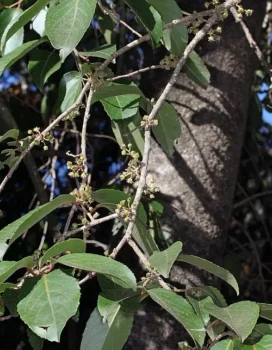
Sawtooth Logwood: Hawaii’s Critically Rare Native Tree
If you’re passionate about native Hawaiian plants, you may have heard whispers about the sawtooth logwood (Xylosma crenata) – a tree so rare that spotting one in the wild is like finding a botanical unicorn. This endemic Hawaiian species has captured the attention of conservationists and native plant enthusiasts, but there’s an important story behind why you probably shouldn’t rush to add it to your garden.
What Makes Sawtooth Logwood Special?
Sawtooth logwood is a perennial tree native exclusively to Hawaii, making it one of the islands’ precious endemic species. As a member of the willow family, this woody plant typically grows as a single-trunked tree reaching heights greater than 13-16 feet under ideal conditions. The name sawtooth likely refers to the serrated edges of its leaves, giving it a distinctive appearance among Hawaii’s native flora.
A Tree on the Brink
Here’s where the story takes a serious turn. Sawtooth logwood holds a Global Conservation Status of S1, which translates to Critically Imperiled. This means the species is hanging on by a thread, with typically five or fewer known occurrences and fewer than 1,000 remaining individuals in the wild. When a plant reaches this level of rarity, every single specimen becomes incredibly precious.
Where Does It Grow?
This rare beauty is found only in Hawaii, where it has adapted to the islands’ unique climate and growing conditions. The species has a Facultative wetland status, meaning it can survive in both wetland and non-wetland environments, giving it some flexibility in its habitat preferences.
- Species observed
- No observations
Should You Plant Sawtooth Logwood?
As much as we love celebrating native plants, sawtooth logwood presents a unique ethical dilemma. Because of its critically imperiled status, we strongly recommend against planting this species unless you can guarantee the material comes from responsible conservation sources. Here’s why:
- Wild collection could further harm already vulnerable populations
- Seeds or cuttings should only come from established conservation programs
- The species requires specialized care that may be difficult for home gardeners
- Every plant in cultivation should ideally contribute to conservation efforts
Better Alternatives for Your Hawaiian Garden
Instead of risking harm to this rare species, consider these other native Hawaiian trees that can give you that authentic island feel:
- ʻŌhiʻa lehua (Metrosideros polymorpha) – iconic red flowering tree
- Koa (Acacia koa) – beautiful hardwood with distinctive curved leaves
- Wiliwili (Erythrina sandwicensis) – drought-tolerant with stunning orange flowers
- Māmane (Sophora chrysophylla) – golden-flowered native legume
Supporting Conservation Efforts
If you’re passionate about sawtooth logwood and Hawaii’s rare plants, consider supporting local conservation organizations working to protect these species. Many groups are actively involved in habitat restoration, seed banking, and propagation programs that aim to bring critically endangered plants back from the brink.
The Bigger Picture
Sawtooth logwood serves as a reminder of how fragile our native ecosystems can be. While we can’t all grow this particular tree, we can make a difference by choosing other native Hawaiian plants, supporting conservation efforts, and spreading awareness about the importance of protecting our rarest species.
Sometimes the greatest act of love for a plant is admiring it from afar and ensuring its survival for future generations. Sawtooth logwood may be off-limits for most gardens, but its story can inspire us to make better choices for the native plants we can grow responsibly.