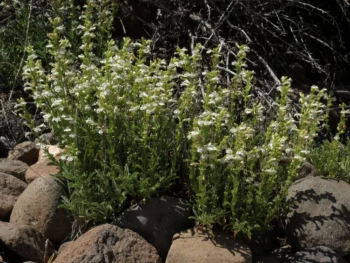
Scabland Penstemon: A Hardy Native Wildflower for Western Gardens
If you’re looking for a tough, drought-tolerant native plant that won’t quit on you even in the harshest conditions, meet the scabland penstemon (Penstemon deustus var. pedicellatus). This unassuming but resilient perennial wildflower has earned its place in the hearts of native plant enthusiasts across the western United States.
What Is Scabland Penstemon?
Scabland penstemon is a native perennial forb that belongs to the snapdragon family. As a herbaceous plant, it lacks woody stems but makes up for it with its remarkable staying power, returning year after year with minimal fuss from gardeners. You might also encounter this plant listed under its botanical synonyms, including Penstemon deustus var. heterander.
Where Does It Call Home?
This hardy native is right at home across four western states: California, Nevada, Oregon, and Utah. True to its scabland common name, it thrives in some pretty tough terrain – think rocky slopes, dry meadows, and those challenging spots where other plants might throw in the towel.
- Species observed
- No observations
Why Plant Scabland Penstemon?
There are several compelling reasons to consider adding this native beauty to your landscape:
- Drought tolerance: Once established, it needs very little water – perfect for xeriscaping and water-wise gardening
- Pollinator magnet: The tubular flowers attract bees, butterflies, and hummingbirds to your garden
- Low maintenance: This is a plant it and forget it kind of perennial
- Native authenticity: Supporting local ecosystems by choosing plants native to your region
- Unique beauty: Delicate white to pale pink flowers provide subtle charm
Important Conservation Note
Scabland penstemon has a Global Conservation Status of S5T3T4, indicating it has some level of conservation concern. If you decide to grow this plant, please ensure you source it from reputable native plant nurseries that propagate their own stock rather than wild-collecting. This helps protect wild populations while still allowing you to enjoy this wonderful native in your garden.
Perfect Garden Settings
Scabland penstemon shines in:
- Rock gardens and alpine-style plantings
- Native plant gardens
- Xeriscaping and drought-tolerant landscapes
- Pollinator gardens
- Natural or wildflower meadows
Growing Conditions and Care
This adaptable native is surprisingly easy to please, as long as you remember its preference for lean living:
- Sunlight: Full sun is best, though it can tolerate some light shade
- Soil: Well-draining soil is absolutely essential – it hates wet feet
- Water: Drought-tolerant once established; avoid overwatering
- Hardiness: Thrives in USDA zones 4-8
- Maintenance: Minimal – just occasional deadheading if desired
Planting and Care Tips
Getting your scabland penstemon off to a good start is straightforward:
- Plant in spring or fall when temperatures are moderate
- Ensure excellent drainage – amend heavy soils with gravel or coarse sand if necessary
- Water regularly the first year to help establishment, then reduce watering significantly
- Avoid fertilizing – this plant actually prefers lean soils
- Mulch lightly with gravel rather than organic mulch to prevent moisture retention
The Bottom Line
Scabland penstemon might not be the flashiest plant in the garden center, but it’s exactly the kind of reliable, eco-friendly performer that makes native gardening so rewarding. If you garden in its native range and have a sunny spot with good drainage, this tough little perennial could be just what your landscape needs. Just remember to source it responsibly to help protect wild populations, and you’ll have a beautiful, low-maintenance addition that both you and local pollinators will appreciate for years to come.