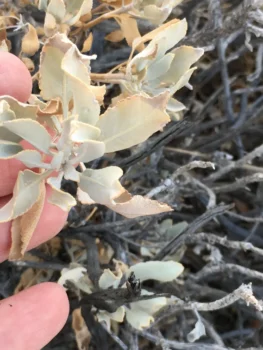
Scallopleaf Sage: A Hidden Gem for California Native Gardens
If you’re looking for a charming, low-maintenance addition to your California native garden, let me introduce you to scallopleaf sage (Salvia vaseyi). This delightful little shrub might not be as well-known as its flashier sage cousins, but it deserves a spot in any gardener’s heart—and landscape.
What Makes Scallopleaf Sage Special?
Scallopleaf sage is a perennial native exclusively to California, where it naturally thrives in chaparral and oak woodland communities. This compact shrub typically stays under 1.5 feet tall, making it perfect for smaller spaces or as a charming ground cover. The plant gets its common name from its distinctive scalloped, gray-green leaves that provide year-round interest even when it’s not blooming.
Also known scientifically as Salvia vaseyi (formerly classified as Audibertia vaseyi), this native gem is found naturally throughout California, from the coastal ranges to inland valleys.
- Species observed
- No observations
Why Your Garden (and Local Wildlife) Will Love It
There are several compelling reasons to consider adding scallopleaf sage to your landscape:
- Pollinator magnet: The small white to pale lavender flowers that appear in spring are irresistible to native bees, butterflies, and hummingbirds
- Water-wise wonder: Once established, this drought-tolerant native requires minimal irrigation
- Year-round appeal: The attractive scalloped foliage provides structure and color even when not in bloom
- Perfect size: Its compact growth habit makes it ideal for rock gardens, borders, or small spaces
- Native credentials: Supporting local ecosystems by choosing plants that belong here naturally
Growing Scallopleaf Sage Successfully
The good news is that scallopleaf sage is relatively easy to grow if you can provide the right conditions. Here’s what this California native needs to thrive:
Climate Requirements: Hardy in USDA zones 8-10, scallopleaf sage is perfectly suited to California’s Mediterranean climate with its wet winters and dry summers.
Light and Soil: Plant your scallopleaf sage in full sun to partial shade in well-draining soil. Like most California natives, it abhors soggy conditions, so ensure good drainage to prevent root rot.
Planting Tips: The best time to plant is in fall, allowing the roots to establish during the cooler, wetter months. Space plants about 2-3 feet apart to allow for their mature spread.
Watering: Water regularly during the first year to help establishment, then reduce watering significantly. Once mature, scallopleaf sage can survive on natural rainfall in most of California.
Maintenance: This low-maintenance plant requires minimal care. Light pruning after flowering can help maintain shape and encourage bushier growth.
Perfect Pairings and Garden Roles
Scallopleaf sage shines in several garden settings:
- Native plant gardens: Pairs beautifully with other California natives like ceanothus, manzanita, and native grasses
- Rock gardens: Its compact size and drought tolerance make it ideal for rocky, well-draining areas
- Mediterranean-style landscapes: Complements other drought-tolerant plants with similar growing requirements
- Wildlife gardens: Provides nectar for pollinators while requiring minimal resources
A Word About Sourcing
Scallopleaf sage has a somewhat uncertain conservation status, so it’s important to source plants responsibly. Look for nurseries that propagate their own plants rather than collecting from wild populations. Many California native plant societies hold sales featuring locally-sourced, nursery-grown specimens.
The Bottom Line
For California gardeners seeking a beautiful, low-maintenance native plant that supports local wildlife while conserving water, scallopleaf sage is a fantastic choice. Its modest size, attractive foliage, and spring flowers make it a delightful addition to any garden that celebrates the natural beauty of the Golden State. Just remember to source your plants responsibly and give them the well-draining conditions they crave.
Once established, you’ll have a charming, resilient plant that asks for little but gives back so much to both your garden and the local ecosystem. Now that’s what I call a win-win!