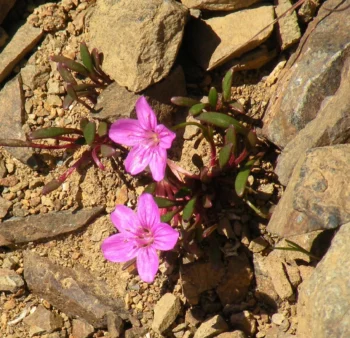
Scamman’s Springbeauty: A Rare Arctic Gem for Cold Climate Gardens
If you’re looking for a truly unique addition to your cold climate garden, Scamman’s springbeauty (Claytonia scammaniana) might just be the rare treasure you’ve been seeking. This delicate perennial forb brings a touch of Arctic beauty to specialized garden settings, though it’s definitely not your average backyard flower.
What Makes Scamman’s Springbeauty Special
Scamman’s springbeauty is a charming herbaceous perennial that belongs to the purslane family. You might also see it listed under its synonyms Claytonia porsildii or Montia scammaniana in older gardening references. This little beauty produces delicate white to pale pink flowers that emerge in early spring, true to its springbeauty name.
As a forb, this plant lacks woody tissue and maintains all its growing points at or below ground level, making it perfectly adapted to survive harsh Arctic conditions.
Where Does It Come From?
This springbeauty is a true northerner, native to the pristine landscapes of Alaska and Canada’s Yukon Territory. You’ll find it thriving in the wild across Alaska and Yukon, where it has adapted to some of the continent’s most challenging growing conditions.
- Species observed
- No observations
A Word About Rarity
Important consideration: Scamman’s springbeauty has a conservation status that suggests it’s somewhat uncommon in the wild. If you’re interested in growing this plant, please ensure you source it from reputable nurseries that propagate their stock responsibly rather than collecting from wild populations.
Why Grow Scamman’s Springbeauty?
Here’s why this unique plant might appeal to adventurous gardeners:
- Extreme cold tolerance: Hardy in USDA zones 1-4, perfect for gardeners in the coldest climates
- Early blooms: Provides nectar for cold-adapted pollinators when few other flowers are available
- Unique conversation piece: A rare native that few gardeners will recognize
- Low maintenance: Once established in suitable conditions, requires minimal care
Who Should (and Shouldn’t) Grow This Plant
Perfect for: Collectors of rare native plants, alpine garden enthusiasts, rock gardeners in extremely cold climates, and anyone creating specialized Arctic or subarctic plant displays.
Not ideal for: Gardeners in warm climates (zones 5 and above), those wanting showy garden displays, or beginners looking for easy-care perennials.
Growing Conditions and Care
Scamman’s springbeauty is definitely a specialist plant with specific needs:
Climate Requirements: This plant absolutely requires cold conditions and won’t thrive in areas that don’t experience significant winter chilling. Think Alaska-level cold!
Soil Needs: Excellent drainage is crucial. Use a gritty, well-draining mix similar to what you’d use for alpine plants or cacti, but keep it consistently moist during the growing season.
Light: Provide partial shade to full sun, though in its native range, it often benefits from some protection during the brief intense summer sun.
Water: Keep soil moist but never waterlogged during the growing season. The plant can handle drier conditions during dormancy.
Planting and Propagation Tips
Growing Scamman’s springbeauty from seed requires patience and the right approach:
- Seeds need cold stratification for several months to germinate
- Start seeds in fall and let winter do the stratification work naturally
- Use a sterile, well-draining seed starting mix
- Keep consistently cool and moist once germination begins
- Be patient – Arctic plants often grow slowly their first few years
Garden Design Ideas
This petite beauty works wonderfully in:
- Alpine and rock gardens
- Cold frame collections
- Native plant demonstration gardens
- Specialized Arctic plant displays
- Container gardens that can be moved for optimal conditions
The Bottom Line
Scamman’s springbeauty isn’t for everyone, but for the right gardener in the right climate, it’s a fascinating addition to a specialized plant collection. Its extreme cold hardiness and early blooms make it valuable for pollinators in harsh climates, while its rarity adds an element of conservation to your gardening efforts.
Just remember: if you decide to grow this Arctic treasure, source it responsibly and be prepared to provide the cool, specialized conditions it needs to thrive. Your patience will be rewarded with a truly unique piece of North America’s northern wilderness right in your own garden.