Scarlet Hawthorn: A Thorny Beauty That Wildlife Adores
If you’re looking for a native plant that’s equal parts beautiful and beneficial, meet the scarlet hawthorn (Crataegus pedicellata). This delightful shrub might not win any popularity contests in the gardening world, but it’s a true unsung hero for wildlife and a fantastic addition to naturalistic landscapes.
What Makes Scarlet Hawthorn Special?
Scarlet hawthorn is a perennial shrub that typically grows as a multi-stemmed woody plant, usually staying under 13-16 feet tall. Don’t let its modest size fool you—this native beauty packs a punch when it comes to four-season interest and ecological value.
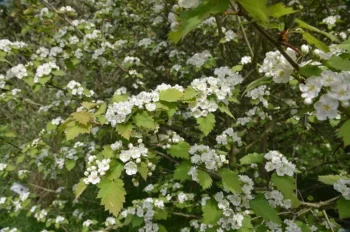
In spring, clusters of white flowers create a stunning display that attracts bees, butterflies, and other pollinators to your garden. Come fall, the plant rewards you (and the local wildlife) with bright red fruits called haws that persist well into winter, providing crucial food for birds during the lean months.
Where Does Scarlet Hawthorn Call Home?
This hardy native is truly at home across a impressive swath of eastern North America. You’ll find scarlet hawthorn naturally growing from Ontario down through the northeastern and mid-Atlantic states, including Connecticut, Delaware, Illinois, Indiana, Kentucky, Maine, Maryland, Massachusetts, Michigan, New Hampshire, New Jersey, New York, Ohio, Pennsylvania, Rhode Island, Vermont, Virginia, West Virginia, and Wisconsin.
- Species observed
- No observations
Important note for New Jersey gardeners: Scarlet hawthorn has a rarity status of Highlands Listed, S1 in New Jersey, meaning it’s quite rare in the state. If you’re in New Jersey and want to grow this beauty, please source your plants responsibly from reputable native plant nurseries rather than collecting from wild populations.
Why Your Garden (and Local Wildlife) Will Thank You
Scarlet hawthorn is like a one-stop shop for wildlife. The spring flowers are pollinator magnets, while the fall fruits feed birds throughout the winter months. The thorny branches also provide excellent nesting sites and protection for small birds—though you’ll want to keep this in mind when planning your garden layout!
From a design perspective, scarlet hawthorn shines in:
- Native plant gardens
- Wildlife-focused landscapes
- Woodland edges and naturalized areas
- Erosion control on slopes
- Privacy screens (thanks to those thorns!)
Growing Scarlet Hawthorn Successfully
The good news? Scarlet hawthorn is refreshingly low-maintenance once established. This adaptable native thrives in USDA hardiness zones 4-8, making it suitable for most northern and temperate climates.
Ideal Growing Conditions
- Light: Full sun to partial shade (though it flowers best with plenty of sun)
- Soil: Adaptable to various soil types, from clay to sandy soils
- Water: Drought tolerant once established, but appreciates regular water during its first growing season
- Space: Give it room to spread—this shrub likes to branch out
Planting and Care Tips
Plant your scarlet hawthorn in spring or fall when temperatures are moderate. Dig a hole twice as wide as the root ball but no deeper, and water thoroughly after planting.
Here’s where scarlet hawthorn really shines: it’s almost embarrassingly easy to care for. Once established, it’s drought tolerant and rarely needs fertilizing. The main maintenance task you’ll face is occasional pruning, and here’s where those thorns come into play—invest in a good pair of thick gloves and long sleeves!
Prune in late winter or early spring before new growth starts, focusing on removing dead, damaged, or crossing branches. You can also shape it if needed, but remember that heavy pruning will reduce your flower and fruit display.
Is Scarlet Hawthorn Right for Your Garden?
If you’re passionate about native plants, love supporting local wildlife, and don’t mind working around some thorns, scarlet hawthorn could be your new garden favorite. It’s particularly perfect for gardeners who want four-season interest without high maintenance demands.
However, it might not be the best choice if you have very small children who play in the garden (those thorns are no joke!) or if you prefer highly manicured, formal landscapes. This is definitely more of a let nature be nature kind of plant.
With its spring flowers, fall fruits, and year-round wildlife value, scarlet hawthorn proves that sometimes the most rewarding garden additions are the ones that give back to the ecosystem as much as they beautify your space.