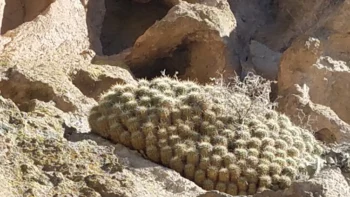
Scarlet Hedgehog Cactus: A Dazzling Native for Water-Wise Gardens
If you’re looking to add a splash of brilliant color to your drought-tolerant garden while supporting native wildlife, the scarlet hedgehog cactus (Echinocereus coccineus var. coccineus) might just be your new favorite plant. This stunning native cactus proves that water-wise gardening doesn’t mean sacrificing beauty – in fact, it’s quite the opposite!
What Makes This Cactus Special?
The scarlet hedgehog cactus is a true showstopper when it blooms. In spring, this modest-looking cactus transforms into a beacon of color, producing vibrant red to orange-red flowers that seem almost too bright to be real. These tubular blooms, measuring 2-3 inches across, create a stunning contrast against the plant’s spiny, cylindrical stems.
As a perennial native to the American Southwest, this cactus has spent thousands of years perfecting its survival skills in harsh desert conditions. That evolutionary wisdom translates into a remarkably low-maintenance plant for modern gardeners.
Where Does It Call Home?
The scarlet hedgehog cactus is native to seven western states: Arizona, California, Colorado, Nevada, New Mexico, Texas, and Utah. It thrives in desert and semi-desert regions, where it has adapted to intense sun, minimal rainfall, and dramatic temperature swings.
- Species observed
- No observations
Why Your Garden (and Local Wildlife) Will Love It
Beyond its obvious visual appeal, the scarlet hedgehog cactus offers several compelling reasons to earn a spot in your landscape:
- Hummingbird magnet: Those brilliant red flowers are like neon signs for hummingbirds, making this cactus an excellent choice for wildlife gardens
- Pollinator friendly: Bees and butterflies also visit the flowers, supporting local pollinator populations
- Water-wise champion: Once established, it requires minimal irrigation, perfect for drought-prone regions
- Year-round interest: Even when not flowering, the architectural form and clustering growth habit add structure to garden designs
- Native plant benefits: As a native species, it supports local ecosystems and requires fewer resources than non-native alternatives
Perfect Garden Settings
The scarlet hedgehog cactus shines in several garden styles:
- Desert and xeriscape gardens: A natural fit for water-conserving landscapes
- Rock gardens: Complements stone features beautifully
- Container gardens: Excellent for pots and planters, especially on patios and balconies
- Southwest-themed landscapes: Essential for authentic regional garden designs
- Pollinator gardens: Provides crucial nectar sources for hummingbirds and other pollinators
Growing Your Scarlet Hedgehog Cactus
Location and Soil
Choose a spot that receives full sun throughout most of the day. The most critical requirement is excellent drainage – this cactus absolutely cannot tolerate soggy soil. Sandy, rocky, or gravelly soils work best. If your soil doesn’t drain well naturally, consider raised beds or containers filled with a cactus-specific potting mix.
Climate Considerations
Hardy in USDA zones 5-9, the scarlet hedgehog cactus can surprisingly tolerate cold temperatures down to about -20°F. However, it’s the combination of cold and wet that spells trouble, so ensure good drainage is even more critical in areas with wet winters.
Planting Tips
- Plant in spring after the last frost
- Handle carefully – those spines mean business!
- Plant at the same depth it was growing in its container
- Space multiple plants about 12-18 inches apart to allow for natural clustering
Care and Maintenance
Here’s the best part about scarlet hedgehog cactus – it practically takes care of itself:
- Watering: Water sparingly, only during extended dry periods in the first year. Once established, natural rainfall is usually sufficient
- Fertilizing: Generally unnecessary – these plants are adapted to poor soils
- Pruning: None needed, though you can remove damaged or dead stems
- Winter care: Ensure excellent drainage to prevent rot during wet winter months
A Few Words of Caution
While this cactus is generally problem-free, overwatering is its kryptonite. Root rot from excessive moisture is the most common cause of failure. When in doubt, err on the side of less water rather than more.
Also, remember that this is a spiny plant – consider placement carefully if you have children or pets, and always wear thick gloves when handling.
The Bottom Line
The scarlet hedgehog cactus offers an unbeatable combination of stunning beauty, native plant benefits, and incredibly low maintenance requirements. Whether you’re creating a water-wise landscape, attracting hummingbirds, or simply want a plant that delivers maximum impact with minimal effort, this native gem deserves serious consideration. Plus, every spring when those brilliant red flowers appear, you’ll be reminded that sometimes the most beautiful things are also the most resilient.