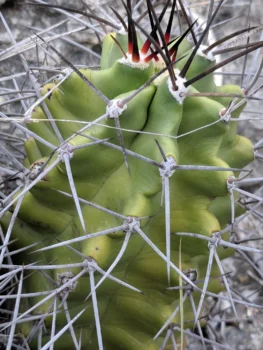
Scarlet Hedgehog Cactus: A Fiery Native Beauty for Your Desert Garden
If you’re looking to add a splash of brilliant color to your xeriscape garden, the scarlet hedgehog cactus (Echinocereus coccineus var. paucispinus) might just be your perfect match. This stunning native cactus brings desert drama with its eye-catching blooms and low-maintenance charm.
What Makes This Cactus Special?
The scarlet hedgehog cactus is a true American native, belonging to the lower 48 states and adding authentic regional character to your landscape. Also known by the synonym Echinocereus triglochidiatus var. paucispinus, this perennial cactus forms attractive clusters that grow slowly but surely into impressive displays.
What really sets this cactus apart are its spectacular flowers. When spring arrives, this modest-looking plant transforms into a showstopper with brilliant red to orange-red tubular blooms that seem to glow against the desert landscape. It’s like having natural fireworks in your garden!
Where Does It Call Home?
This variety of scarlet hedgehog cactus is native to Texas, though the broader species ranges across the American Southwest. It’s perfectly adapted to the harsh desert conditions of its native range, making it an excellent choice for authentic regional gardening.
- Species observed
- No observations
Why Gardeners Love (or Should Love) This Cactus
There are plenty of reasons to consider adding this native beauty to your landscape:
- Pollinator magnet: Those gorgeous red flowers aren’t just pretty – they’re hummingbird favorites and attract various desert pollinators
- Low maintenance: Once established, it thrives on neglect (the good kind!)
- Authentic regional character: Being native to Texas, it fits perfectly into southwestern landscape designs
- Drought tolerance: Perfect for water-wise gardening and xeriscaping
- Year-round interest: Attractive form and spination provide structure even when not blooming
Perfect Garden Settings
This cactus shines brightest in:
- Rock gardens and desert landscapes
- Xeriscape designs
- Cactus and succulent gardens
- Native plant gardens
- Modern, minimalist landscapes
Use it as an accent plant or group several together for a more dramatic display. Its compact, clustering growth habit makes it perfect for smaller spaces too.
Growing Your Scarlet Hedgehog Cactus Successfully
The key to success with this desert native is remembering where it comes from – hot, dry, rocky places with excellent drainage.
Location and Soil
Choose the sunniest spot in your garden. This cactus craves full sun and will reward you with better flowering and form. As for soil, think desert – sandy, rocky, and fast-draining. If your soil holds water, consider raised beds or containers with a specialized cactus mix.
Watering Wisdom
Here’s where many gardeners go wrong: less is definitely more. Water deeply but infrequently during the growing season, and cut back significantly in winter. The biggest threat to this cactus isn’t drought – it’s too much moisture!
Climate Considerations
Hardy in USDA zones 7-10, this cactus can handle surprisingly cold temperatures for a desert plant. However, it’s the combination of cold and wet that spells trouble, so ensure excellent drainage year-round.
Care Tips for Long-Term Success
- Plant in spring or fall when temperatures are moderate
- Mulch with gravel or decomposed granite rather than organic mulch
- Fertilizer is rarely needed – these plants are adapted to poor soils
- Watch for signs of rot if your cactus starts looking soft or discolored
- Be patient – desert plants grow slowly but live long, rewarding lives
A Word About Conservation
While the conservation status of this particular variety isn’t clearly defined in available data, it’s always wise to source your plants responsibly. Purchase from reputable nurseries that propagate their plants rather than wild-collect them.
The Bottom Line
The scarlet hedgehog cactus is a fantastic choice for gardeners who want to embrace water-wise gardening while supporting native ecosystems. Its stunning flowers, pollinator benefits, and authentic regional character make it a standout addition to appropriate landscapes. Just remember: when in doubt, water less, not more. This tough little beauty will thank you for it with years of spectacular spring blooms!