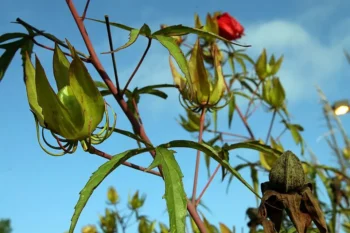
Scarlet Rosemallow: A Show-Stopping Native for Wet Gardens
If you’ve been searching for a native plant that delivers serious wow factor in those persistently soggy spots in your garden, meet the scarlet rosemallow (Hibiscus coccineus). This stunning southeastern native is like nature’s exclamation point – bold, beautiful, and impossible to ignore when it bursts into bloom.
What Makes Scarlet Rosemallow Special?
Scarlet rosemallow earned its common name honestly. The flowers are absolutely spectacular – brilliant scarlet-red blooms that can stretch 3 to 6 inches across, each featuring five deeply divided petals that create an almost star-like appearance. These eye-catching flowers appear from summer through fall, providing months of vibrant color when many other plants are starting to fade.
This perennial forb (that’s gardener-speak for a non-woody plant) can reach impressive heights of 4 to 8 feet, making it perfect for adding dramatic vertical interest to your landscape. Despite its size, it maintains an elegant, upright growth habit that won’t overwhelm smaller plants nearby.
Where Does It Call Home?
Scarlet rosemallow is a true southeastern native, naturally occurring across Alabama, Arkansas, Florida, Georgia, Louisiana, Mississippi, North Carolina, South Carolina, and Virginia. In the wild, you’ll find it thriving in wetlands, marshes, swamps, and along stream banks – basically anywhere the soil stays consistently moist to wet.
- Species observed
- No observations
A Word About Rarity
Here’s something important to know: scarlet rosemallow is considered rare in Alabama and Arkansas, where it holds an S1 rarity status. This means it’s critically imperiled in these states. If you live in these areas and want to grow this beauty, make sure you’re purchasing from reputable native plant nurseries that ethically source their plants rather than collecting from wild populations.
Perfect Spots for Scarlet Rosemallow
This plant is what we call an obligate wetland species – fancy terminology that simply means it almost always occurs in wetlands. For your garden, this translates to some specific but manageable requirements:
- Rain gardens where water naturally collects
- Bog gardens or constructed wetland areas
- Areas with naturally wet or poorly draining soil
- Pond edges or near water features
- Low-lying areas that stay consistently moist
Don’t let the wetland requirement scare you off – many gardeners have challenging wet spots where traditional plants struggle, and scarlet rosemallow thrives exactly where others fail.
Growing Conditions and Care
Scarlet rosemallow is surprisingly easy to grow once you understand its needs. It performs best in USDA hardiness zones 6 through 9, making it suitable for much of the southeastern and mid-Atlantic regions.
For optimal growth, provide:
- Full sun to partial shade (though more sun means more blooms)
- Consistently moist to wet soil – this is non-negotiable
- Rich, organic soil when possible, though it’s quite adaptable
- Protection from strong winds due to its height
Planting and Maintenance Tips
Plant scarlet rosemallow in spring after the last frost danger has passed. Here are some key care tips:
- Never let the soil dry out completely – think swamp plant and you’ll get it right
- Apply a thick layer of mulch around the base to help retain moisture
- Cut the plant back to ground level in late fall or early winter
- Divide clumps every 3-4 years in early spring to maintain vigor
- Generally pest and disease resistant – a definite plus!
Wildlife and Pollinator Benefits
One of the best reasons to grow scarlet rosemallow is the wildlife party it creates in your garden. Those large, nectar-rich blooms are absolute magnets for:
- Hummingbirds, who seem to have a particular fondness for the bright red flowers
- Butterflies of various species
- Native bees and other beneficial pollinators
The plant essentially becomes a pollinator highway stop, providing crucial nectar resources during its long blooming period.
Design Ideas and Garden Roles
With its impressive height and bold blooms, scarlet rosemallow works beautifully as:
- A dramatic backdrop in mixed borders
- A focal point in wetland or rain gardens
- Part of a naturalized planting along water features
- A stunning specimen plant where its height can be appreciated
Pair it with other moisture-loving natives like cardinal flower, blue flag iris, or swamp milkweed for a truly spectacular wetland garden display.
The Bottom Line
Scarlet rosemallow is proof that native plants can be every bit as showy as exotic imports – maybe even more so. If you have a wet spot in your garden that’s been giving you trouble, this could be exactly the solution you’ve been looking for. Just remember to source your plants responsibly, especially if you’re gardening in Alabama or Arkansas where this beauty is rare.
With its stunning flowers, wildlife appeal, and ability to thrive where other plants struggle, scarlet rosemallow might just become your new favorite native. After all, how many plants can claim to be both drop-dead gorgeous and perfectly adapted to your local ecosystem?