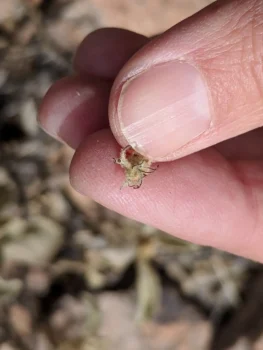
Scented Croton: A Fragrant Texas Native Worth Protecting
Meet the scented croton, a delightfully aromatic Texas native that deserves a spot in more gardens across the Lone Star State. This unassuming little shrub might not win any beauty contests, but it packs a punch when it comes to fragrance and ecological value. Plus, by growing scented croton, you’ll be helping support a species that needs our attention.
What Is Scented Croton?
Scented croton (Croton suaveolens) is a perennial shrub that typically stays under 13-16 feet tall, though most specimens you’ll encounter are much smaller. True to its name, this plant releases a pleasant aroma when its leaves are brushed or crushed, making it a sensory delight in the garden. As a multi-stemmed woody plant, it develops several stems from near the ground, creating a bushy appearance that fits well into naturalistic landscapes.
Where Does Scented Croton Call Home?
This aromatic beauty is a Texas exclusive – it’s native only to the state of Texas and grows nowhere else naturally in the United States. You’ll find it primarily in the Edwards Plateau region, where it has adapted to the unique conditions of central Texas.
- Species observed
- No observations
Why Should You Care About This Plant?
Important Conservation Note: Scented croton has a Global Conservation Status of S3, meaning it’s considered vulnerable. This status indicates the species is at risk due to being rare throughout its range or facing other threats that could lead to its disappearance. With typically only 21-100 occurrences or 3,000-10,000 individuals remaining, every garden that includes this plant helps support its survival.
Here’s why scented croton deserves consideration for your Texas garden:
- Supports native biodiversity: As a Texas endemic, it has co-evolved with local wildlife and pollinators
- Low maintenance: Once established, it requires minimal care and water
- Drought tolerant: Perfect for water-wise landscaping
- Fragrant foliage: Adds a sensory element to your garden
- Conservation impact: Helps protect a vulnerable species
Growing Scented Croton Successfully
Ideal Growing Conditions
Scented croton thrives in conditions similar to its native Edwards Plateau habitat:
- Sunlight: Full sun to partial shade
- Soil: Well-draining soils are essential – this plant doesn’t tolerate wet feet
- Water: Drought tolerant once established, requiring minimal supplemental watering
- Climate: Hardy in USDA zones 8-10, making it suitable for most of Texas
Planting and Care Tips
Growing scented croton is refreshingly straightforward:
- Plant in spring after the last frost date
- Ensure excellent drainage – amend clay soils with gravel or sand if needed
- Water regularly during the first growing season to establish roots
- Once established, water only during extended dry periods
- Prune lightly as needed to maintain shape
- Fertilization is typically unnecessary in native soils
Garden Design Ideas
Scented croton works beautifully in several garden styles:
- Native Texas landscapes: Perfect for authentic regional gardens
- Xeriscaping: Excellent choice for drought-tolerant designs
- Rock gardens: Thrives in well-draining, rocky conditions
- Wildlife gardens: Supports native pollinators and beneficial insects
- Sensory gardens: The aromatic foliage adds fragrance when touched
Wildlife and Pollinator Benefits
While scented croton may have inconspicuous flowers, they still provide nectar for small pollinators and beneficial insects. The plant also offers shelter and nesting sites for various small creatures, contributing to your garden’s ecosystem.
A Word About Responsible Sourcing
Important: Given scented croton’s vulnerable conservation status, it’s crucial to source plants responsibly. Only purchase from reputable native plant nurseries that propagate their own stock rather than wild-collecting. Never collect seeds or plants from wild populations. By choosing nursery-propagated plants, you’re supporting conservation efforts rather than potentially harming wild populations.
The Bottom Line
Scented croton may not be the showiest plant in the native plant world, but it offers something special: the chance to grow a piece of Texas that exists nowhere else on Earth. Its low-maintenance nature, drought tolerance, and pleasant fragrance make it a practical choice, while its conservation status makes it a meaningful one. If you’re gardening in Texas and want to support native biodiversity while creating a water-wise landscape, scented croton deserves serious consideration – just make sure you source it responsibly.