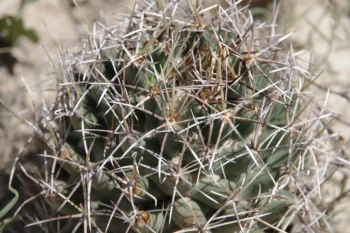
Scheer’s Beehive Cactus: A Charming Native for Desert Gardens
If you’re looking to add some southwestern charm to your garden, Scheer’s beehive cactus (Coryphantha robustispina scheeri) might just be the perfect prickly companion you’ve been searching for. This delightful native cactus brings both beauty and resilience to drought-tolerant landscapes, making it an excellent choice for gardeners who want to embrace water-wise gardening without sacrificing visual appeal.
Meet Your New Spiky Friend
Scheer’s beehive cactus goes by several scientific names, including Coryphantha scheeri and Mammillaria scheeri, but don’t let the botanical terminology intimidate you. This charming perennial cactus is as tough as it is attractive, forming small barrel-shaped clusters that add texture and interest to any garden setting.
Where It Calls Home
This native beauty is right at home across the American Southwest, naturally occurring in Arizona, New Mexico, and Texas. As a true native species of the lower 48 states, it’s perfectly adapted to the challenging conditions of desert and semi-desert environments.
- Species observed
- No observations
Why You’ll Want This Cactus in Your Garden
Scheer’s beehive cactus brings several compelling benefits to your landscape:
- Water-wise wonder: Once established, this drought-tolerant champion requires minimal irrigation
- Low maintenance: Perfect for busy gardeners who want beauty without constant upkeep
- Pollinator magnet: Its cheerful yellow flowers attract bees and other beneficial pollinators
- Year-round interest: Provides structure and texture even when not in bloom
- Native plant benefits: Supports local ecosystems and requires fewer resources than non-native alternatives
Perfect Garden Companions
This versatile cactus shines in several landscape settings:
- Rock gardens and xeriscaping projects
- Succulent and cactus collections
- Container gardens and patio displays
- Desert-themed landscapes
- Water-wise foundation plantings
Growing Conditions That Make It Happy
Scheer’s beehive cactus thrives in USDA hardiness zones 8-10, where it can enjoy:
- Full sun exposure: At least 6-8 hours of direct sunlight daily
- Well-draining soil: Sandy or rocky soil that doesn’t hold moisture
- Minimal water: Deep, infrequent watering once established
- Good air circulation: Prevents moisture-related issues
Planting and Care Tips
Getting your Scheer’s beehive cactus established is straightforward with these simple guidelines:
- Timing: Plant in spring after the last frost for best establishment
- Soil preparation: Amend heavy soils with sand or gravel to improve drainage
- Watering: Water sparingly – overwatering is more dangerous than underwatering
- Winter protection: In borderline zones, provide protection from extreme cold and wet conditions
- Fertilizing: Generally unnecessary; native soil nutrients are sufficient
A Word About Conservation
Before you rush out to add this beauty to your garden, it’s important to note that Scheer’s beehive cactus has a conservation status that requires attention. Always purchase plants from reputable nurseries that source their specimens responsibly, rather than collecting from wild populations. By choosing nursery-grown plants, you’re supporting conservation efforts while still enjoying this wonderful native species.
The Bottom Line
Scheer’s beehive cactus offers the perfect combination of low-maintenance care, native plant benefits, and unique aesthetic appeal. Whether you’re creating a water-wise landscape, building a succulent collection, or simply want to add some southwestern flair to your garden, this charming cactus delivers on all fronts. Just remember to source it responsibly, give it well-draining soil and plenty of sunshine, and then sit back and watch as this delightful native brings life and character to your outdoor space.