Schweinitz’s Sunflower: A Rare Native Beauty Worth Protecting
Meet Schweinitz’s sunflower (Helianthus schweinitzii), a botanical treasure that’s as rare as it is beautiful. This stunning native perennial sunflower is one of those special plants that makes you feel like you’re part of something bigger – a conservation effort that started right in your own backyard.
What Makes This Sunflower So Special?
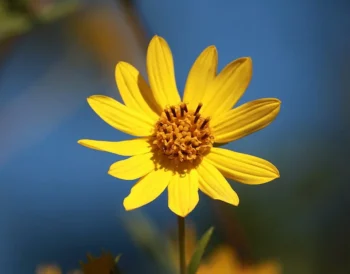
Schweinitz’s sunflower isn’t your typical roadside sunflower. This impressive perennial forb can tower anywhere from 3 to 10 feet tall, creating a dramatic statement in late summer and fall when its cheerful yellow blooms burst into action. The classic daisy-like flowers feature bright yellow petals radiating around dark chocolate centers – it’s like nature’s own version of a sunny-side-up egg, but way more elegant.
What really sets this sunflower apart is its incredible rarity. With a Global Conservation Status of S3 (Vulnerable) and listed as Endangered in the United States, this plant is fighting for survival. There are typically only 21 to 100 occurrences worldwide, with an estimated 3,000 to 10,000 individual plants remaining.
Where Does It Call Home?
This native beauty has a pretty exclusive address – you’ll only find Schweinitz’s sunflower naturally growing in North Carolina and South Carolina. It’s what we call an endemic species, meaning it evolved in this specific region and nowhere else on Earth. Talk about local pride!
- Species observed
- No observations
Should You Grow Schweinitz’s Sunflower?
Here’s where things get both exciting and important. If you live in USDA hardiness zones 6-8 and you’re passionate about native plants and conservation, this could be an incredible addition to your garden. However – and this is a big however – you absolutely must source your plants responsibly.
Only purchase Schweinitz’s sunflower from reputable native plant nurseries that propagate their own plants from ethically collected seeds. Never dig plants from the wild or buy from sources that can’t verify their propagation methods. Every plant matters when we’re talking about an endangered species.
Perfect Spots for This Rare Beauty
Schweinitz’s sunflower thrives in:
- Native plant gardens focused on regional species
- Prairie or meadow-style landscapes
- Pollinator gardens (the bees and butterflies will thank you!)
- Conservation gardens dedicated to rare species
- Naturalized areas where it can spread gradually
Growing Conditions That Make It Happy
The good news is that once you’ve sourced your plant responsibly, Schweinitz’s sunflower isn’t particularly fussy. This tough native appreciates:
- Full sun: At least 6 hours of direct sunlight daily
- Well-drained soil: It’s quite drought tolerant once established
- Room to grow: Give it space – this isn’t a shrinking violet
- Minimal fuss: Native plants evolved to thrive without constant pampering
Planting and Care Tips
Spring is your best bet for planting. Here’s how to give your Schweinitz’s sunflower the best start:
- Plant after the last frost when soil has warmed
- Dig a hole twice as wide as the root ball
- Water regularly the first year to help establish deep roots
- Consider staking taller specimens in windy locations
- Let it go to seed – those seeds feed birds and can create new plants
- Cut back in late winter before new growth begins
The Wildlife Connection
When you plant Schweinitz’s sunflower, you’re not just growing a pretty flower – you’re creating habitat. This native beauty supports local ecosystems by providing nectar for native bees and butterflies, while its seeds offer food for birds. It’s like opening a neighborhood diner for wildlife.
A Plant Worth Protecting
Growing Schweinitz’s sunflower is more than gardening – it’s conservation in action. Every responsibly grown plant helps ensure this rare beauty has a future. Just remember, with great plants comes great responsibility. Source ethically, grow with care, and maybe even collect seeds to share with other conservation-minded gardeners.
In a world where we’re losing biodiversity at an alarming rate, choosing to grow rare native species like Schweinitz’s sunflower is a small but meaningful way to push back against extinction. Plus, you’ll have one heck of a conversation starter in your garden!