Scotch False Asphodel: A Delicate Native Beauty for Specialized Gardens
If you’re looking for a unique native plant that thrives in wet conditions, you might want to get acquainted with Scotch false asphodel (Tofieldia pusilla). This charming little perennial might not be the showstopper of your garden, but it offers something special for those willing to meet its particular needs.
What Is Scotch False Asphodel?
Scotch false asphodel is a native perennial forb that belongs to the family of plants that lack significant woody tissue above ground. Don’t let the Scotch in its name fool you – this plant is actually a North American native through and through. You might also see it listed under its former scientific names, including Narthecium pusillum, though botanists have settled on Tofieldia pusilla as the accepted name.
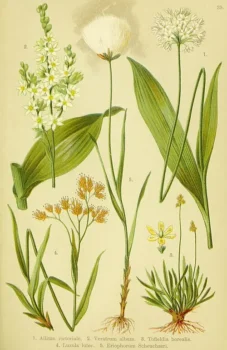
This delicate plant typically grows 4-12 inches tall, forming small clumps of narrow, grass-like leaves. In summer, it sends up slender spikes topped with tiny white flowers that create an almost ethereal appearance in the landscape.
Where Does It Come From?
Scotch false asphodel has an impressively wide native range across northern North America. You’ll find it naturally growing throughout Alaska, most Canadian provinces and territories (including Alberta, British Columbia, Manitoba, Ontario, Quebec, Saskatchewan, Yukon, Northwest Territories, and Nunavut), and extending down into northern U.S. states like Michigan, Minnesota, and Montana. It even reaches into Labrador and Newfoundland.
- Species observed
- No observations
Why Might You Want to Grow It?
Here’s where things get interesting – and a bit challenging. Scotch false asphodel isn’t your typical garden plant, and that’s both its charm and its limitation.
The Good News:
- It’s a true native species supporting local ecosystems
- Provides nectar for small native insects and flies
- Adds delicate texture to wetland plantings
- Extremely cold hardy (USDA zones 2-6)
- Once established, it’s quite resilient in its preferred conditions
The Challenges:
- Requires consistently wet, boggy conditions
- Not suitable for typical garden beds
- Can be difficult to source and establish
- Subtle appearance may not appeal to all gardeners
Perfect Garden Settings
Scotch false asphodel shines in specialized garden situations:
- Bog gardens and constructed wetlands
- Rain gardens (in consistently moist areas)
- Wetland restoration projects
- Native plant collections focused on northern species
- Naturalistic landscapes near water features
Growing Conditions and Care
This plant’s wetland status tells you everything you need to know about its preferences. In Alaska, it’s considered facultative (can grow in wet or dry conditions), but in other regions, it’s classified as facultative wetland, meaning it usually prefers wet conditions.
What It Needs:
- Consistently moist to wet, acidic soil
- Full sun to partial shade
- Cool, humid conditions
- Good water quality (avoid areas with high salt or chemical runoff)
Planting Tips:
- Best planted in spring after frost danger passes
- Source plants from reputable native plant nurseries
- Consider starting with container-grown plants rather than seeds
- Plant at the same depth as in the container
- Water consistently until established (which may take a full growing season)
Is This Plant Right for You?
Scotch false asphodel is definitely not for everyone, and that’s perfectly okay! If you have a typical suburban garden with regular garden beds, this probably isn’t your plant. However, if you’re working on a wetland restoration, have a bog garden, or are passionate about growing challenging native species, it could be a rewarding addition.
The key question is: do you have the right conditions? Without consistently wet, acidic soil, this plant simply won’t thrive. But if you do have the right spot – perhaps near a pond, in a constructed bog, or in a natural wet area of your property – Scotch false asphodel can add a touch of northern wilderness to your landscape.
Remember, successful native gardening often means matching the plant to the site rather than trying to force a plant into unsuitable conditions. For Scotch false asphodel, that means embracing the wet, wild side of gardening!