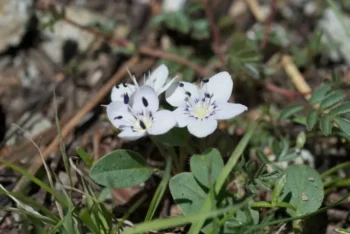
Scott Mountain Phacelia: A Rare California Native Worth Protecting
If you’re a native plant enthusiast with a passion for rare species, you may have stumbled across the Scott Mountain phacelia (Howellanthus dalesianus) in your research. This little-known California native is a fascinating example of the Golden State’s incredible botanical diversity, but it comes with some important considerations for gardeners.
What Makes Scott Mountain Phacelia Special?
Scott Mountain phacelia is a perennial forb – essentially a non-woody flowering plant that comes back year after year. Originally classified as Phacelia dalesiana, this plant was later moved to its own genus, Howellanthus, highlighting just how unique it really is. As a member of the borage family (Boraginaceae), it’s related to other beloved natives like baby blue eyes and various lupines.
Where Does It Call Home?
This rare beauty is endemic to California, with its natural range centered around the Scott Mountains region in the northern part of the state. Its very specific geographic distribution is part of what makes it so special – and so vulnerable.
- Species observed
- No observations
A Word of Caution: Rarity Matters
Here’s where things get serious, fellow plant lovers. Scott Mountain phacelia has a Global Conservation Status of S3, meaning it’s considered vulnerable to extinction. With typically only 21 to 100 known occurrences and somewhere between 3,000 to 10,000 individuals in the wild, this isn’t a plant to take lightly.
If you’re considering adding this species to your garden, please ensure any plant material comes from reputable, ethical sources that don’t harm wild populations. Better yet, consider supporting conservation efforts for this species rather than attempting to cultivate it.
Growing Conditions and Care
Unfortunately, detailed cultivation information for Scott Mountain phacelia is quite limited – a common situation with rare endemic species. What we do know is that it naturally occurs in montane (mountain) habitats in northern California, suggesting it likely prefers:
- Well-draining soils typical of mountain environments
- Cooler temperatures than found in California’s valleys
- Seasonal moisture patterns similar to its native range
- Possibly alkaline or neutral soil conditions
Is This Plant Right for Your Garden?
Honestly? Probably not. While the allure of growing something so rare and special is understandable, Scott Mountain phacelia is better left in the capable hands of botanical gardens, research institutions, and conservation organizations. The risk of inadvertently harming wild populations through collection, combined with our limited understanding of its specific needs, makes this a challenging choice for home gardeners.
Better Alternatives for Your Native Garden
Instead of Scott Mountain phacelia, consider these more readily available California natives that offer similar benefits:
- Baby blue eyes (Nemophila menziesii) – another stunning blue-flowered annual
- Phacelia species that are more common and better suited to cultivation
- Other native perennial forbs appropriate to your specific region
Supporting Conservation
The best way to help Scott Mountain phacelia thrive is to support organizations working to protect its natural habitat and conduct research on rare California natives. Sometimes the most loving thing we can do for a plant is to admire it from afar and work to preserve the wild spaces where it naturally belongs.
Remember, every rare plant species is a irreplaceable piece of our natural heritage. While we can’t all grow Scott Mountain phacelia in our backyards, we can all play a role in ensuring it continues to grace California’s mountains for generations to come.