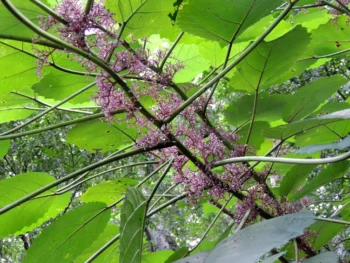
Scratchbush: A Prickly Native Caribbean Shrub Worth Knowing
If you’re gardening in Puerto Rico or the U.S. Virgin Islands and looking for truly native plants, you might want to get acquainted with scratchbush (Urera baccifera). This perennial shrub has quite the personality – and by personality, I mean it comes armed with stinging hairs that’ll definitely get your attention!
What Is Scratchbush?
Scratchbush is a native Caribbean shrub that typically grows as a multi-stemmed woody plant, usually staying under 13-16 feet tall. As a member of the nettle family, it’s got those characteristic stinging hairs that give it both its common name and its don’t touch me attitude. You might also see it listed under its scientific synonym Urtica baccifera in older botanical references.
Where Does It Grow Naturally?
This shrub calls the Caribbean home, specifically Puerto Rico and the U.S. Virgin Islands. It’s perfectly adapted to the tropical climate of these islands and has been thriving there long before any of us started thinking about native plant gardening.
- Species observed
- No observations
The Good, The Bad, and The Stingy
Let’s be honest – scratchbush isn’t going to win any most garden-friendly plant awards. Those stinging hairs mean you’ll want to give it plenty of space and respect. But before you write it off completely, consider these points:
Why you might want to grow it:
- It’s genuinely native to the Caribbean region
- Great for wildlife and restoration gardens
- Tolerates both wet and dry conditions (it’s what botanists call facultative wetland)
- Perfect for naturalized, hands-off garden areas
- Supports local ecosystem relationships
Why you might want to pass:
- Those stinging hairs are no joke
- Not suitable for high-traffic areas
- Limited ornamental appeal
- Better suited for specialized native plant collections
Growing Conditions and Care
If you’re in USDA zones 10-11 and decide to give scratchbush a try, here’s what it likes:
- Climate: Tropical to subtropical conditions
- Moisture: Flexible – can handle both wetland and drier conditions
- Location: Best in naturalized areas away from foot traffic
- Maintenance: Low-maintenance once established
Is This Plant Right for Your Garden?
Scratchbush is definitely a niche plant. It’s perfect if you’re creating a native plant preserve, working on habitat restoration, or developing a specialized Caribbean native plant collection. However, if you’re looking for something for your front yard border or children’s play area, you’ll want to look elsewhere.
This shrub shines in wild gardens where it can do its thing without bothering anyone. Think of it as the garden equivalent of that friend who’s great to have around but needs their space – respect the boundaries, and everyone gets along just fine.
The Bottom Line
Scratchbush might not be the most user-friendly native plant option, but it has its place in the Caribbean gardening world. If you have the right spot and the right goals (native habitat creation, wildlife support, or botanical collecting), it could be a valuable addition. Just remember to wear gloves, keep it away from walkways, and maybe warn your guests about your spiky new garden resident!
For most home gardeners, there are probably more practical native alternatives to consider first. But for the adventurous native plant enthusiast with space to spare, scratchbush offers a genuine piece of Caribbean botanical heritage – thorns and all.