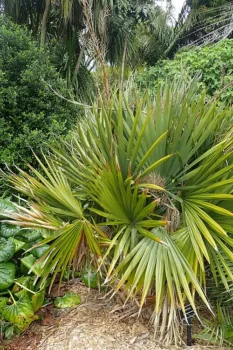
Scrub Palmetto: Florida’s Hidden Gem for Native Gardens
Meet the scrub palmetto (Sabal etonia), a charming little palm that’s practically Florida’s best-kept secret. This understated native beauty might not tower over your garden like its flashier palm cousins, but it brings something special to the table: authentic Florida character wrapped up in a compact, low-maintenance package.
What Makes Scrub Palmetto Special
The scrub palmetto is a true Florida native, found exclusively in the Sunshine State’s unique scrubland ecosystems. Unlike those massive palms you see lining boulevards, this perennial shrub keeps things modest, typically staying under 13-16 feet tall with multiple stems emerging from the ground. Its fan-shaped leaves create an elegant, clumping form that adds texture and movement to any landscape without overwhelming smaller spaces.
Where You’ll Find It Growing Wild
This palm calls only Florida home, thriving in the state’s distinctive scrub habitats. It’s perfectly adapted to Florida’s sandy soils and seasonal drought conditions, making it a true testament to right plant, right place gardening.
- Species observed
- No observations
A Word About Rarity
Here’s something important to know: scrub palmetto has a conservation status that suggests it may be uncommon in the wild. If you’re thinking about adding this beauty to your garden (and you should!), please make sure you source it responsibly from reputable native plant nurseries rather than collecting from wild populations. Your garden can actually help support this species’ conservation.
Why Your Garden Will Love Scrub Palmetto
This little palm is like that reliable friend who never asks for much but always delivers. Here’s why it deserves a spot in your landscape:
- Extremely drought tolerant once established
- Requires minimal care and maintenance
- Provides authentic Florida native character
- Perfect scale for residential landscapes
- Attracts native pollinators with its small flowers
- Creates interesting texture contrast with other native plants
Perfect Garden Companions
Scrub palmetto shines brightest in naturalistic, low-water gardens that celebrate Florida’s native plant communities. It’s ideal for:
- Xerophytic (dry) gardens
- Native plant landscapes
- Low-maintenance residential gardens
- Understory plantings beneath larger natives
Pair it with other Florida natives like coontie, firebush, or beautyberry for a landscape that looks like it belongs.
Growing Conditions That Make It Happy
The scrub palmetto is wonderfully undemanding, but it does have preferences:
- Soil: Sandy, well-draining soils (just like Florida’s natural scrublands)
- Water: Drought tolerant once established; avoid overwatering
- Light: Full sun to partial shade
- Climate: USDA hardiness zones 9-11
Planting and Care Tips
Good news: scrub palmetto is about as low-maintenance as plants get. Here’s how to set it up for success:
- Plant in spring or fall when temperatures are moderate
- Ensure excellent drainage – this palm doesn’t tolerate soggy feet
- Water regularly the first year to help establish roots, then reduce watering
- No fertilizer needed if planted in appropriate sandy soil
- Prune only brown or damaged fronds
- Be patient – it’s a slow grower, but worth the wait
Supporting Wildlife
While scrub palmetto might look simple, it plays an important role in supporting Florida’s native ecosystem. Its flowers attract native insects, and the plant provides habitat and shelter for small wildlife species that call Florida’s scrublands home.
Is Scrub Palmetto Right for Your Garden?
If you’re gardening in Florida (zones 9-11) and want a low-maintenance native that adds authentic regional character to your landscape, scrub palmetto could be perfect for you. It’s especially great for gardeners who appreciate understated beauty and want to support native plant conservation through responsible cultivation.
Just remember to source your plants from reputable native nurseries, and you’ll have a piece of authentic Florida that will thrive with minimal fuss for years to come.