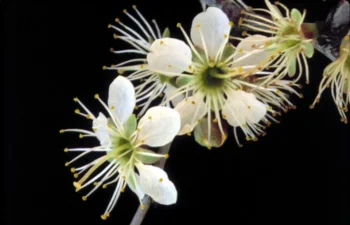
Scrub Plum: A Rare Florida Native Worth Protecting in Your Garden
If you’re passionate about Florida native plants and conservation, the scrub plum (Prunus geniculata) deserves a spot on your radar. This remarkable little shrub is more than just another pretty face in the garden—it’s a living piece of Florida’s natural heritage that’s fighting for survival.
What Makes Scrub Plum Special?
Scrub plum is a perennial, multi-stemmed woody shrub that typically grows 13-16 feet tall, though it can sometimes reach greater heights depending on growing conditions. This Florida endemic produces delicate white flowers in spring, followed by small purple-black fruits that wildlife absolutely love. It’s like having your own little wildlife café right in your backyard!
Where Does Scrub Plum Call Home?
This plant is exclusively native to Florida, making it a true Sunshine State specialty. You won’t find scrub plum naturally occurring anywhere else in the world, which makes it extra special—and extra vulnerable.
- Species observed
- No observations
A Plant in Need: Understanding Its Rarity
Important Conservation Note: Scrub plum has a Global Conservation Status of S3, meaning it’s considered vulnerable throughout its range. In the United States, it’s classified as Endangered. This means if you choose to grow this beautiful native, you must source it responsibly from reputable native plant nurseries—never collect from the wild.
Why Consider Scrub Plum for Your Garden?
Despite its rarity (or perhaps because of it), scrub plum makes an excellent addition to the right garden:
- True Florida Native: Perfect for authentic native plant gardens
- Wildlife Magnet: The spring flowers attract native pollinators, while the fruits feed birds and other wildlife
- Drought Tolerance: Once established, it thrives in Florida’s sandy soils with minimal water
- Conservation Impact: By growing this plant, you’re helping preserve a piece of Florida’s natural heritage
- Unique Character: Few gardeners grow this plant, making it a true conversation starter
Growing Scrub Plum Successfully
Ideal Growing Conditions
Scrub plum is surprisingly easy to grow once you understand its preferences:
- Climate: USDA Hardiness Zones 9-11 (perfect for Florida)
- Soil: Sandy, well-draining soil—just like Florida’s natural scrublands
- Sun: Full sun to partial shade
- Water: Drought tolerant once established; avoid overwatering
Planting and Care Tips
Getting your scrub plum off to a good start is key:
- Plant in spring or fall when temperatures are moderate
- Ensure excellent drainage—this plant hates wet feet
- Water regularly during the first year to help establish roots
- Once established, water only during extended dry periods
- Prune lightly after fruiting to maintain shape
- No fertilizer needed—it’s adapted to Florida’s nutrient-poor sandy soils
Perfect Garden Companions
Scrub plum shines in native Florida landscapes alongside other scrubland natives like coontie, firebush, and various native grasses. It’s ideal for:
- Native plant gardens
- Wildlife habitats
- Drought-tolerant landscapes
- Conservation-focused gardens
The Bottom Line
Scrub plum is a plant for gardeners who want to make a difference. While its endangered status means you need to be extra careful about sourcing, growing this Florida endemic is a meaningful way to participate in conservation while enjoying a truly unique native plant. Just remember—always purchase from reputable native plant nurseries that propagate their plants rather than collecting from wild populations.
By choosing scrub plum, you’re not just adding another plant to your garden—you’re helping ensure that future generations of Floridians can enjoy this remarkable piece of their natural heritage.