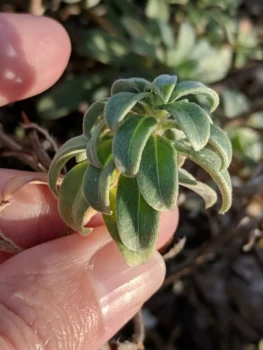
Seabeach Evening Primrose: A Charming Coastal Native Worth Growing
If you’re looking for a low-maintenance native plant that thrives in challenging coastal conditions, let me introduce you to the seabeach evening primrose (Oenothera humifusa). This delightful little perennial might not be the showiest plant in your garden, but it’s got character, resilience, and a special charm that makes it worth considering for the right spot.
What Is Seabeach Evening Primrose?
Seabeach evening primrose is a native perennial forb that creates low-growing mats along the ground. Rather than growing tall and upright, this plant spreads horizontally, making it an excellent ground cover option. As a member of the evening primrose family, it produces cheerful yellow flowers that have a delightful habit of opening in the evening – hence the name!
This plant is a true American native, naturally occurring across the southeastern coastal states from Pennsylvania down to Florida and west to Louisiana. You’ll find it growing wild in Alabama, Delaware, Florida, Georgia, Louisiana, Maryland, Mississippi, New Jersey, North Carolina, Pennsylvania, South Carolina, and Virginia.
- Species observed
- No observations
A Note About Rarity
Before we dive into growing tips, there’s something important to know: seabeach evening primrose is considered rare in New Jersey, where it has a Highlands Listed, S2 rarity status. This means if you’re planning to grow it, please make sure you source your plants or seeds from reputable nurseries that propagate their own stock rather than collecting from wild populations. Responsible gardening means protecting our rare native species!
Why Grow Seabeach Evening Primrose?
This unassuming plant offers several compelling reasons to include it in your landscape:
- Coastal tough guy: It’s incredibly salt tolerant and thrives in sandy soils where other plants struggle
- Low maintenance: Once established, it’s drought tolerant and requires minimal care
- Pollinator magnet: The evening-opening flowers attract night-flying moths and other nocturnal pollinators
- Erosion control: Its mat-forming growth habit helps stabilize sandy soil
- Native credentials: Supporting local ecosystems by growing native species
Where Does It Fit in Your Landscape?
Seabeach evening primrose works beautifully in several types of gardens:
- Coastal gardens: Perfect for beachfront properties where salt spray is a concern
- Rock gardens: Its low profile complements rocky landscapes
- Xeriscapes: Excellent for water-wise gardening
- Naturalized areas: Great for creating low-maintenance native plant communities
- Slopes and embankments: Helps prevent erosion while looking attractive
Growing Conditions and Care
The good news is that seabeach evening primrose is pretty easy-going once you understand its preferences:
Sunlight: This plant loves full sun. Give it at least 6-8 hours of direct sunlight daily for best performance.
Soil: Sandy, well-draining soil is ideal. It actually prefers poor to average soils and doesn’t need rich, fertile conditions. Heavy clay soils are a no-go – the plant needs excellent drainage to prevent root rot.
Water: Drought tolerant once established, but appreciates occasional watering during extended dry periods. Avoid overwatering, as this can lead to problems.
Climate: Hardy in USDA zones 6-9, making it suitable for much of the southeastern and mid-Atlantic regions.
Planting and Care Tips
Getting started with seabeach evening primrose is straightforward:
- Best planting time: Spring, after the last frost
- Spacing: Allow 12-18 inches between plants to give them room to spread
- Initial care: Water regularly the first season to help establish strong roots
- Ongoing maintenance: Very minimal – just remove any dead growth in late winter
- Fertilizing: Not necessary – this plant actually prefers lean soils
The Evening Show
One of the most charming aspects of seabeach evening primrose is its flowering behavior. The bright yellow flowers open in the evening and often close by the next morning, creating a delightful evening display. This makes it perfect for gardens that are enjoyed in the evening hours, and it’s especially magical when planted near seating areas where you can watch the flowers open.
Is This Plant Right for You?
Seabeach evening primrose is ideal if you:
- Live in a coastal area with sandy soils
- Want low-maintenance native plants
- Need erosion control on slopes or sandy areas
- Enjoy supporting nocturnal pollinators
- Appreciate subtle, naturalistic beauty over flashy displays
It might not be the best choice if you’re looking for a showy centerpiece plant or if you have heavy clay soils and can’t improve drainage.
A Gentle Reminder
As we wrap up, let’s circle back to that important point about rarity. While seabeach evening primrose makes a wonderful garden addition, always source your plants responsibly. Look for nurseries that grow their own stock from seed or cuttings rather than wild-collecting. This way, you can enjoy this lovely native while helping protect wild populations for future generations.
Seabeach evening primrose may not be the flashiest plant in the garden center, but for the right location and gardener, it offers a perfect combination of native authenticity, low maintenance, and quiet charm. Give it the sandy, sunny spot it craves, and you’ll be rewarded with a resilient ground cover that connects your garden to the natural coastal landscapes of the southeastern United States.