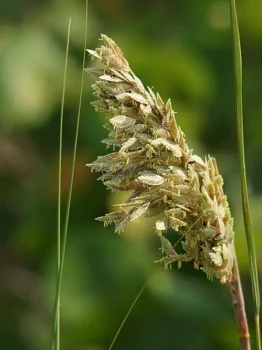
Sea Oats: The Graceful Coastal Native That Dances in the Breeze
If you’ve ever walked along the southeastern coast and admired those elegant grasses swaying on the dunes with their distinctive drooping seed heads, you’ve likely encountered sea oats (Uniola paniculata). This beautiful native perennial grass isn’t just a pretty face – it’s a coastal superhero that’s been protecting our shorelines for centuries while adding natural grace to the landscape.
Why Sea Oats Deserve a Spot in Your Garden
Sea oats are native to the lower 48 states and naturally occur along coastal areas in Alabama, Delaware, Florida, Georgia, Louisiana, Maryland, Mississippi, North Carolina, South Carolina, Texas, and Virginia. As a true native species, planting sea oats means you’re supporting local ecosystems and choosing a plant that’s perfectly adapted to your region’s conditions.
- Species observed
- No observations
What makes sea oats special isn’t just their native credentials – it’s their remarkable combination of beauty and toughness. These perennial grasses reach about 6 feet tall at maturity and grow in distinctive clumps through underground rhizomes. Their blue-green foliage creates a lovely backdrop for the star of the show: those iconic drooping seed clusters that appear in early summer and persist through fall, turning from green to beautiful brown shades.
Perfect for Coastal and Sandy Conditions
Sea oats have earned their reputation as the ultimate coastal plant. They’re incredibly drought tolerant once established and can handle salt spray like champions. The plant’s deep root system (extending at least 20 inches down) makes it excellent for erosion control and dune stabilization.
Here’s what makes sea oats so adaptable:
- High drought tolerance with low moisture requirements
- Medium salt tolerance – perfect for coastal conditions
- Thrives in coarse, sandy soils where other plants struggle
- Handles temperatures as low as 7°F
- Requires full sun (shade intolerant)
Garden Design and Landscape Uses
Sea oats shine in several landscape applications. Their slow but steady growth rate and rhizomatous spreading habit make them excellent for:
- Coastal and dune gardens
- Erosion control on slopes and sandy areas
- Native plant and naturalized landscapes
- Xeriscaping projects
- Adding movement and texture to garden borders
The plant’s erect, clumping form and medium-textured foliage provide excellent contrast to broader-leafed coastal plants. In fall, the conspicuous brown seed heads create stunning visual interest and gentle rustling sounds in ocean breezes.
Growing Conditions and Care
Sea oats are remarkably low-maintenance once you understand their preferences. They grow best in USDA hardiness zones 7-10 and need at least 180 frost-free days per year.
Soil requirements:
- Sandy, well-draining soils are essential
- pH between 6.0-7.5
- Avoid heavy clay or poorly draining soils
- Medium fertility requirements
Water and climate needs:
- Annual precipitation between 35-65 inches
- High drought tolerance once established
- Low moisture requirements for mature plants
Planting and Establishment Tips
Getting sea oats established requires patience, as they have a slow growth rate and low seedling vigor. Here’s how to give them the best start:
- Timing: Plant in spring during their active growth period
- Spacing: Allow 4-6 feet between plants for mature spread
- Propagation: Most commonly available as container plants or sprigs
- Seeds: Cold stratification required for seed germination (about 4,500 seeds per pound)
- Establishment: Provide regular watering during the first growing season
Once established, sea oats require minimal care. Their slow growth means infrequent maintenance, and their long lifespan makes them a worthwhile investment for coastal landscapes.
Wildlife and Ecological Benefits
While sea oats are wind-pollinated and don’t provide nectar for pollinators, they offer valuable habitat benefits. The dense clumps provide nesting sites and shelter for small wildlife, and the persistent seed heads offer food for birds. The plant’s role in dune stabilization also creates important habitat for coastal wildlife.
Is Sea Oats Right for Your Garden?
Sea oats are ideal if you have sandy, well-draining soil and live in their native range. They’re perfect for gardeners who want low-maintenance, drought-tolerant plants that provide year-round interest. However, they’re not suitable for heavy soils, shade, or areas outside their hardiness zones.
If you’re looking to create a coastal-themed garden, support native ecosystems, or need effective erosion control on sandy slopes, sea oats could be your perfect match. Just remember – patience is key with these slow-growing beauties, but the wait is absolutely worth it for their graceful presence and ecological benefits.