Seaside Beebalm: A Coastal Native That Brings Pollinators to Your Garden
If you’re looking for a native plant that can handle coastal conditions while attracting clouds of pollinators, seaside beebalm (Monarda maritima) might just be your new garden favorite. This charming Texas native proves that sometimes the best garden additions are the ones that have been thriving in your region for centuries.
What Makes Seaside Beebalm Special?
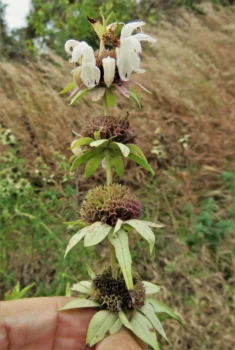
Seaside beebalm goes by the botanical name Monarda maritima, and you might occasionally see it listed under its synonym Monarda punctata var. maritima. This perennial forb—basically a non-woody flowering plant—brings a delicate beauty to gardens with its clusters of small white to pale pink flowers arranged in dense, terminal heads. The aromatic foliage adds an extra sensory dimension to your garden experience.
As a member of the mint family, seaside beebalm shares that characteristic square stem and fragrant leaves that make the Monarda genus so beloved by gardeners and pollinators alike.
Where Does Seaside Beebalm Call Home?
This native beauty is specifically adapted to coastal Texas, where it has evolved to thrive in the challenging conditions found near the Gulf of Mexico. Its natural habitat has shaped it into a remarkably resilient plant that can handle salt spray, sandy soils, and the intense sun that coastal areas are known for.
- Species observed
- No observations
Why Grow Seaside Beebalm in Your Garden?
There are several compelling reasons to consider adding this native plant to your landscape:
- Pollinator magnet: Bees, butterflies, and other beneficial insects absolutely love the nectar-rich flowers
- Low maintenance: Once established, it’s quite drought tolerant and requires minimal care
- Coastal resilience: Perfect for seaside gardens where salt tolerance is crucial
- Native credentials: Supporting local ecosystems by choosing plants that naturally belong
- Aromatic appeal: The fragrant foliage adds another layer of sensory interest
Growing Conditions and Care
Seaside beebalm is surprisingly easy to grow when you match its preferences:
Sunlight: This plant loves full sun and will perform best with at least 6-8 hours of direct sunlight daily.
Soil: Well-draining, sandy soils are ideal—think of its coastal origins. It can tolerate poor soils but will struggle in heavy, waterlogged conditions.
Water: While it appreciates regular water during establishment, mature plants are quite drought tolerant. Avoid overwatering, especially in heavier soils.
Climate: Hardy in USDA zones 8-10, making it perfect for warmer coastal and southern regions.
Planting and Establishment Tips
Getting your seaside beebalm off to a good start is straightforward:
- Plant in spring after the last frost date
- Space plants appropriately to allow for good air circulation
- Water regularly during the first growing season to help establish roots
- Consider mulching lightly to retain moisture, but avoid heavy mulching that might retain too much water
- Allow plants to self-seed if you want natural spread in appropriate areas
Garden Design Ideas
Seaside beebalm works beautifully in several garden settings:
- Coastal gardens: Perfect for beachfront properties or any garden dealing with salt exposure
- Native plant gardens: Pairs wonderfully with other Texas natives
- Pollinator gardens: An essential component of any bee and butterfly garden
- Wildlife gardens: Supports beneficial insects and may attract birds
- Low-water landscapes: Ideal for xeriscaping or drought-tolerant garden designs
A Note on Conservation
While seaside beebalm isn’t considered critically endangered, it’s always wise to source your plants responsibly. Look for nurseries that specialize in native plants and can provide ethically propagated specimens rather than wild-collected plants.
The Bottom Line
Seaside beebalm offers coastal gardeners a wonderful opportunity to support local ecosystems while enjoying a beautiful, low-maintenance addition to their landscapes. Its combination of pollinator appeal, drought tolerance, and native credentials make it a smart choice for environmentally conscious gardeners who want plants that truly belong in their region.
If you’re gardening in coastal Texas or similar conditions, seaside beebalm deserves serious consideration. It’s proof that sometimes the best garden plants are the ones that have been quietly thriving in your area all along—you just need to give them a chance to shine in your landscape.