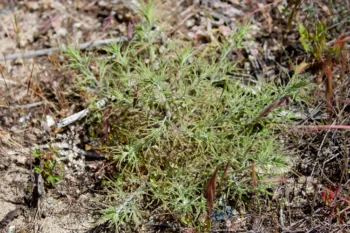
Seaside Bird’s Beak: A Coastal California Treasure Worth Protecting
If you’ve ever wandered through California’s salt marshes and coastal wetlands, you might have encountered a small, unassuming annual called seaside bird’s beak (Cordylanthus rigidus littoralis). While this native wildflower won’t win any beauty contests, it plays a crucial role in some of our state’s most fragile ecosystems.
What Makes Seaside Bird’s Beak Special?
Seaside bird’s beak is a fascinating little forb – essentially an herbaceous plant without woody stems. As an annual, it completes its entire life cycle in just one growing season, making the most of California’s coastal climate. Don’t let its modest appearance fool you; this plant is perfectly adapted to one of the most challenging environments on Earth: the salt marsh.
Where You’ll Find This Coastal Native
This California native has a very specific address – the coastal wetlands and salt marshes along our state’s shoreline. It’s one of those plants that really knows its niche and sticks to it!
- Species observed
- No observations
A Plant That Deserves Our Respect
Here’s where things get serious: seaside bird’s beak has a conservation status that should give us pause. With coastal development and climate change threatening salt marsh habitats, this little plant faces significant challenges. If you’re considering growing it, please only use responsibly sourced material from reputable native plant nurseries or restoration programs.
Growing Conditions: Not Your Average Garden Plant
Let’s be honest – seaside bird’s beak isn’t going to thrive in your typical backyard garden. This plant has very specific needs:
- Saline or brackish soil conditions
- Coastal climate (USDA zones 9-10)
- Wetland or marsh-like environment
- Sandy, often waterlogged soils
Unless you’re working on coastal restoration or have a specialized salt marsh garden, this probably isn’t the plant for your landscape.
Who Benefits from Seaside Bird’s Beak?
While we don’t have extensive data on all its wildlife relationships, seaside bird’s beak likely supports various coastal pollinators with its small flowers. In the complex web of salt marsh life, every native plant plays a part in supporting the ecosystem’s health.
Should You Plant Seaside Bird’s Beak?
The short answer for most gardeners is probably no – not because it’s not wonderful, but because it has such specific habitat requirements. However, if you’re involved in:
- Coastal restoration projects
- Salt marsh rehabilitation
- Specialized native plant collections
- Scientific or educational gardens focusing on coastal ecosystems
Then seaside bird’s beak could be an important addition to your work. Just remember to source it responsibly and work with conservation professionals who understand its needs.
Supporting Coastal Conservation
Even if you can’t grow seaside bird’s beak in your own garden, you can still support this remarkable plant and its ecosystem. Consider volunteering with coastal restoration groups, supporting organizations that protect salt marshes, or choosing other California natives that thrive in your specific garden conditions.
Sometimes the most important plants aren’t the showiest ones in our gardens – they’re the quiet heroes holding together some of our most precious and threatened ecosystems. Seaside bird’s beak is definitely one of those heroes.